Operations | Monitoring | ITSM | DevOps | Cloud

FinOps Observability: Monitoring Kubernetes Cost

With the current financial climate, cost reduction is top of mind for everyone. IT is one of the biggest cost centers in organizations, and understanding what drives those costs is critical. Many simply don’t understand the cost of their Kubernetes workloads, or even have observability into basic units of cost. This is where FinOps comes into play, and organizations are beginning to implement those best practice standards to understand their cost.

How To Incorporate FinOps Into The DevOps Lifecycle

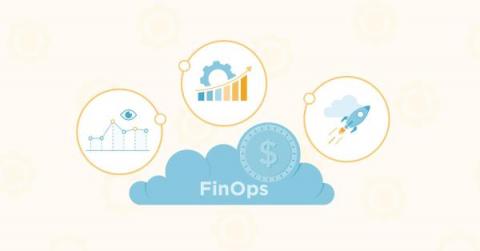
FinOps, or the practice of managing a company’s cloud computing costs, and DevOps, the process of efficiently building applications in the cloud, should ideally go hand-in-hand. Engineers with a streamlined development process and a cost-conscious mindset can produce functional products with great margins and a high potential for scalability. However, incorporating FinOps into the DevOps lifecycle, and vice versa, isn’t always easy.

FinOps Vs. The Old Way: How Cloud Cost Optimization Is Evolving

In the early days of SaaS companies, most engineering and cloud operations teams weren’t tasked with monitoring or optimizing cloud costs. In fact, it would have been unlikely for these teams to care about cloud cost optimization at all, let alone take measures to fix issues and look for opportunities. Today, SaaS companies that want to secure a competitive foothold and ensure long-term success have to care about cloud costs.

Top 5 FinOps Tips to Optimize Cloud Costs

The efficiency, flexibility and strategic value of cloud computing are driving organizations to deploy cloud-based solutions at rapid pace. Fortune Business Insights predicts the global cloud computing market will experience annual growth of nearly 18% through 2028. As the cloud becomes one of the most expensive resources for modern organizations, cloud financial management, or FinOps, has become a critical initiative.

Webinar: Overcoming Challenges to Scaling FinOps

Effective management of cloud costs is critical for digital-first organizations, especially during times of market volatility. But, it can be very challenging to effectively drive organizational alignment around FinOps. Join CyberArk and Anodot as we explore tactics for delivering successful ongoing FinOps in your organization.

FinOps and Cloud Cost Optimization

As companies scale, it’s become increasingly important to keep cloud cost management and optimization top of mind. In this talk, Yuval Yogev from Sygnia walks you through Sygnia’s optimization journey of cutting their total cloud costs in half. Yogev also shares insights into how you can optimize your own organization’s cloud usage and spend.

6 Examples Of FinOps KPIs That Will Improve Your Margins

Setting FinOps KPIs helps keep your whole organization aligned toward the same financial goals. However, it takes more than simply setting a broad, company-wide financial goal and turning every employee loose to work on that goal without more specific directions. It’s far better to come up with realistic and achievable goals tailored toward each person or team that will be responsible for them. That’s because KPIs should ideally be focused around the typical persona of each team.

Measuring cloud cost efficiency for FinOps

Public cloud can deliver significant business value across infrastructure cost savings, team productivity, service elasticity, and DevOps agility. Yet, up to 70% of organizations are regularly overshooting their cloud budgets, minimizing the gap between cloud costs and the revenue cloud investments can drive.