As more companies adopt SaaS services over on-premise delivery models, there is a natural concern around data security and platform availability. Words on a vendor’s website can provide insights to prospective customers on the process and policies that companies have in place to alleviate these concerns. However, the old adage of “actions speak louder than words” does apply. Trust in a website’s words only goes so far.
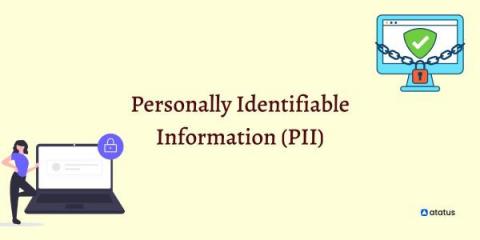
PII stand for Personally Identifiable Information, so protecting Personally Identifiable Information (PII) is a top priority for companies small and large, as well as government agencies. Companies are amassing increasing amounts of data on their employees, customers, and partners, making PII security more important than ever. It's critical to understand what PII is and how to protect it. Personal information can be divided into two categories.
There has been a sharp increase in the amount of personal and organizational data that is stored online and on devices. Losing this data could result in disastrous consequences for businesses or individuals, which means that data protection is certainly necessary. Data protection plans are essential for the safety and security of data within all organizations.
Having multiple environments that can be dynamically configured has become akin to modern software development. This is especially true in an enterprise context where the software release cycles typically consist of separate compute environments like dev, stage and production. These environments are usually distinguished by data that drives the specific behavior of the application.