Security Information Monitoring or Security Event Monitoring is part of Security Information Management. Yes, I acknowledge they are flashy names and that even experts have their differences about concept and scope. Here in Pandora FMS, flexibility is part of our name, so, hereby, I will abbreviate it as Security Monitoring. As you can see, it is short and manageable!
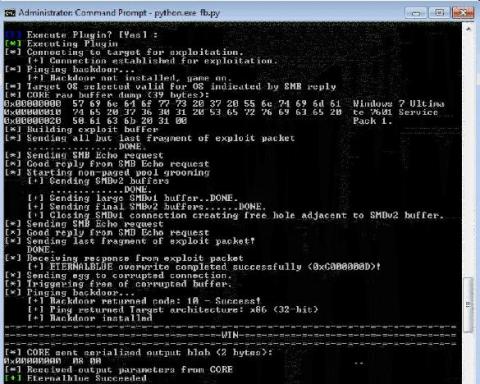
The Australian Cyber Security Centre (ACSC) recently published an advisory outlining tactics, techniques and procedures (TTPs) used against multiple Australian businesses in a recent campaign by a state-based actor. The campaign — dubbed ‘copy-paste compromises’ because of its heavy use of open source proof of concept exploits — was first reported on the 18th of June 2020, receiving national attention in Australia.
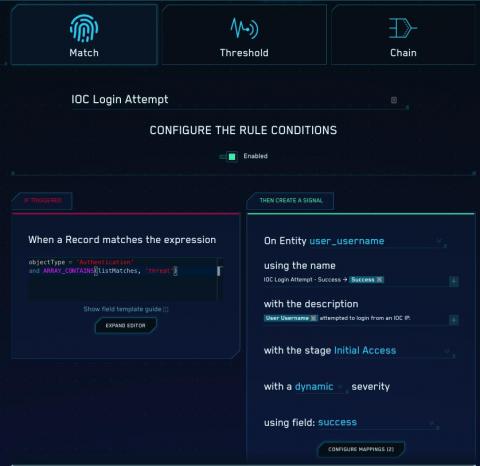
SIEM (Security Information and Event Management) is a kind of software whose purpose is to provide organizations and corporations with useful information. “About what?” you may wonder. Well, about potential security threats related to your business networks. SIEM does this through data collation and by prioritizing all kinds of dangers or threats. In general, we already answered the question “what is SIEM?”, but how does it do it?
These days, “SIEM” (Security Information and Event Management) is all over the place. SIEM tools work by collecting data from multiple systems and noticing patterns in the data. This adds immediate value to the business by providing insights, security recommendations, and actionable intelligence. Despite being helpful tools for many companies, SIEM tools do have their drawbacks. This article will describe the four main ones and offer suggestions for how they might be overcome.