Operations | Monitoring | ITSM | DevOps | Cloud

The latest News and Information on Observabilty for complex systems and related technologies.

Using Observability with Kubernetes to Automate Site Reliability Engineering

In this video, Anthony Evans, solution architect, explains how the StackState topology-powered observability platform can help SREs to automate site reliability, putting their organizations on the path to becoming a zero-downtime enterprise. See how StackState helps to unify and correlate data across your stack, visualize your entire IT environment, instantly pinpoint root cause, reduce alert storms and with AIOps capabilities, even prevent problems proactively. It's all here!

Debugging Node.js HTTP Requests

HTTP is the backbone of all API-centric, modern web apps. APIs are the place where the core business logic of an application lives. As a result, developers spend a lot of time optimizing the API business logic. This article addresses a Node.js developer’s dilemma while debugging an HTTP API request. We take a sample Node.js/Express.js-based HTTP service to demonstrate a new way of debugging Node.js applications using the Lightrun observability platform.

Top 10 Logging Frameworks Across Various Programming Platforms

A logging framework is a software tool that helps developers output diagnostic information during the execution of a program. This information is used to debug the program or monitor its performance. There are many different logging frameworks available, starting with simple logging libraries to full-fledged logging and observability platforms.

Changes are Observability's Biggest Blind Spot

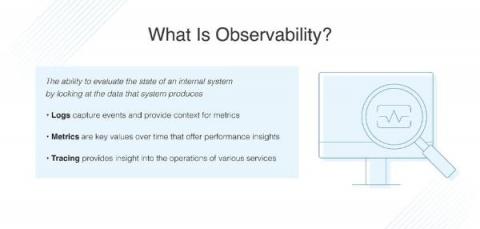
Classically, the space of observability lies within layers of information on a dashboard. It operates by using the fundamental trio of data — metrics, logs and traces — from each layer of the environment to assess the health of an IT infrastructure. However, a time component is critical, making the stack observable at any point in time. Gathering reliable data and insights into your IT infrastructure remains the primary role of observability tools and services.

Honeycomb Announces Major Updates to PagerDuty Integration

Today, we’re announcing major new updates to Honeycomb’s PagerDuty integration. These updates put more of the information you need into PagerDuty notifications and allow for greater configurability. These enhancements are available to all users who leverage Honeycomb Triggers and Burn Alerts to send notifications via PagerDuty.

Replay Data from Azure Blob with Cribl Stream

One of the core features of Cribl Stream is the Replay capability. We pride ourselves on giving customers choice and control over their data. The ability to archive data in cheap object storage, and then providing the ability to reach into the same object storage is one example of this. It’s safe to say that S3 and AWS have become synonymous with the term object storage. It’s like a modern-day Kleenex, or Band-Aid. However, it’s important to remember that there are other, equally featured object storage options available. In this video, we’ll walk through an example of Replay with Azure Blob, and view logs within Humio.

What Is An Observability Data Pipeline?

Have you ever wondered how to get your organization's data into one place so you can easily monitor and troubleshoot your systems? If so, you're not alone. This is a common challenge faced by many organizations. The solution is an observability data pipeline. To better understand what this is and how it works, we've put together a brief overview.

Authors' Cut-No More Pipeline Blues: Accelerate CI/CD with Observability

It’s no secret that CI/CD pipelines make the lives of engineering and operations easier by accelerating the feedback loop for higher quality code and apps. They build code, run tests, and safely deploy new versions of your application. But just like any aspect of development, poor integration, invisible bottlenecks, and bugs can plague your pipelines. And debugging them? Well, it’s complicated.

Real World Insights - My Take on the Observability Maturity Model

A prelude to our upcoming six-part Observability Maturity Model Fundamentals blog series. By Lodewijk Bogaards At StackState, we have spent eight years in the monitoring and observability spaces. During this time, we have spoken with countless DevOps engineers, architects, SREs, heads of IT operations and CTOs, and we have heard the same struggles over and over.

Get the Most Value from Your Observability Investment by Building for the Future

Technically speaking, observability offers visibility into the data being generated by your infrastructure devices, systems, and applications — but in reality, it offers the opportunity to see what’s happening, There’s no guarantee that you’ll get what you want; you have to set things up in a way that makes it possible for you to get the insights you need.