Operations | Monitoring | ITSM | DevOps | Cloud

All About Network Topology-Types and Diagrams

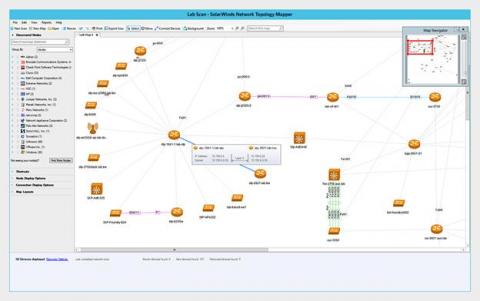
Every network has a specific collection of nodes and links that connect them. The arrangement of those nodes and links, or the network topology, informs performance, maintenance costs, and more. You should know the network topology models in use today when designing or managing a network, including the ring, mesh, bus, star, and tree topologies.

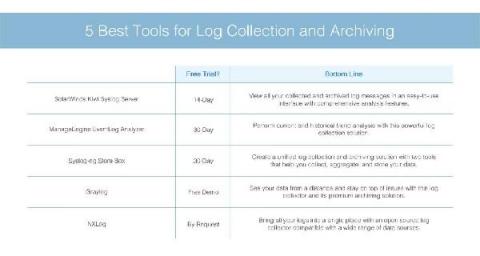
5 Best Tools for Log Collection and Archiving With Guide

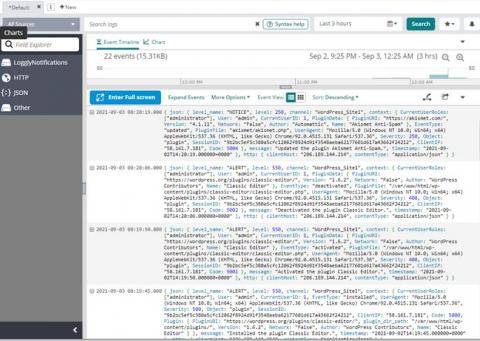
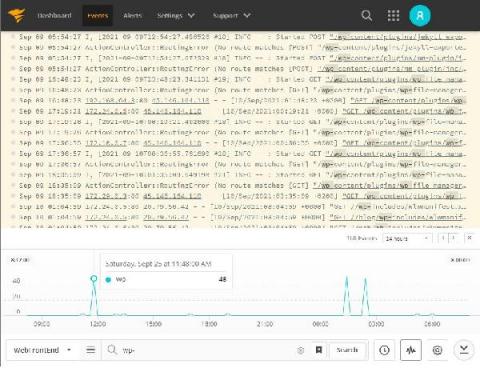
Collecting and archiving logs is an essential practice for any organization looking to maintain the performance and security of their network. Logs are like a diary for your devices. They record every message sent from any of your network systems. This information can prove essential for everything from understanding the daily activities of your infrastructure, to improving functionality across your platforms, to identifying and troubleshooting issues.

Bring IT On in the Year of the Ox

IT Pro Day is here, and it feels like the new year in IT! It’s a time to reflect on lessons from the past year and celebrate your achievements while setting goals for the season ahead. The theme for this year, Bring IT On, feels especially appropriate as we’ve been in the Year of the Ox. According to the Chinese zodiac, the ox is known as the “good helper” symbolizing strength, diligence, and persistence. I can’t think of a better sign that embodies IT pros.

Open-Source Monitoring With SolarWinds AppOptics

In software terms, “open source” means applications and their source code are available for the public to download and modify free of cost. Anyone can access, edit, and supplement the code to create an enhanced version of the application. Vendors often do this by forking the source code to create their own version of the application, marketing their version commercially.

Why SQL Server Monitoring Is the First Step in Improving Performance

SQL Server monitoring is continuous collection and analysis of usage, performance, and event metrics for Microsoft SQL Server. It’s the first step in optimizing performance for applications that depend on your data platform. Highly effective monitoring gives a bird’s-eye view of your entire data estate. It also provides the deep analytics necessary to perform root cause analysis on the most challenging performance problems.

Spotting and Avoiding Database Drift

Managing any database ecosystem is difficult enough: taking backups, maintaining statistics, and doing performance tuning all tax the time of the DBA or database developer. The job is complex even without considering the work you do to manage the various schema and data drifts that can occur. Unless you operate in a vacuum or within a single person organization (and even then, schema drift can occur), drift is going to manifest naturally and as the size of the environment expands.

Finding the Gaps in Your Data Causing Data Drift

When drift happens within a database, it can occur at a couple of different levels. Drift refers to entities—tables, views, or even data—out of synchronization with each other. This could be a difference in schema structure, data, or even operational metadata like permissions. Often, drifts happen between two different environments like development and staging databases.

Investigating the Database Family Tree

Investigating your family tree can be an interesting experience. For example, what if you discovered you were related to a famous person who won a Nobel Prize or performed a heroic act? Conversely, what if you realized you had an ancestor who was an infamous criminal? Much like examining your genealogy can be an exciting adventure, looking at the family tree of your database can prove to be just as rewarding. Databases occasionally undergo a phenomenon known as drift.

IT Pros to the World: Bring IT On

That’s what they say. Bring it on. I’m ready for this. I’m prepared. But no one could prep for what happened and how things evolved, right? So is preparation not necessary after all? I’ve had numerous discussions with my colleague and fellow Head Geek Leon Adato about this topic, and we even created a video with the background theme of preparation vs. instant action. Leon is kind of a doctoral student in chaos theory—or so it seems—while I try to plan things out.