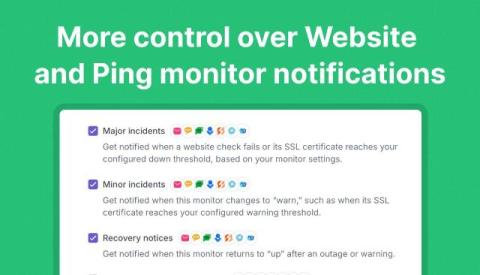
You can now choose which status changes trigger alerts for Website and Ping monitors, bringing the same notification control previously available only for Service monitors. Keep recovery notifications on, focus on downtime, or include SSL warnings for your websites. Adjust each monitor to receive the alerts that matter to you.
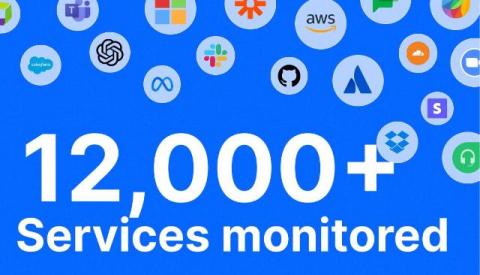
StatusGator now monitors more than 12,000 services, bringing even more of the tools your team depends on into one place. From cloud infrastructure and AI platforms to payment providers and education software, our monitoring catalog keeps growing alongside your stack.
Ask anyone where dev ends and ops begins and they'll struggle to draw the line. That's the point of the last decade of DevOps: the two disciplines merged so completely that the boundary stopped mattering. But ask where building ends and understanding begins, and everyone answers instantly. Right after deploy.
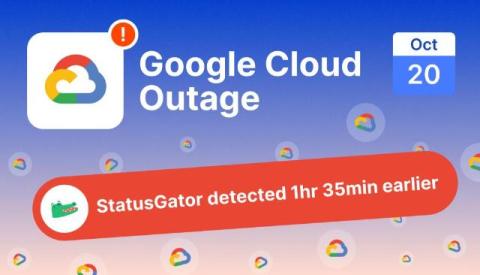
A power event in Google’s europe-west2-b (London) zone triggered a wide Google Cloud outage on October 20, 2026, taking down dozens of services including Cloud SQL, BigQuery, Compute Engine, and Kubernetes for customers across the UK and beyond. StatusGator sent an Early Warning Signal at 07:02 UTC, 1 hour and 35 minutes before Google Cloud publicly acknowledged the incident at 08:37 UTC. The ripple effect was wide: StatusGator tracked 171 other services showing signs of impact during the outage.
UK data centre and digital infrastructure platform Pulsant is expanding its infrastructure partner ecosystem with the announcement of three new members.
Your telemetry data can reduce engineering complexity AND make your software more sustainable - find out how in this episode! Welcome to Episode 5 of Live Laugh Logs, the podcast from the Coralogix Developer Relations team. This week, Annie is joined by Wilco Burggraaf, Principal Lead at HighTech Innovators and host of the Sustainable IT Action Netherlands meetup.
On October 14 and 15, Symfony shipped a coordinated set of maintenance releases across every supported branch: 5.4.54, 6.4.48, 7.4.21, and 8.1.9. Between them they close three CVEs, all rated high severity, and all with the same uncomfortable shape: a single HTTP request, no authentication, no special configuration, and the PHP process either burns a CPU core or falls over.
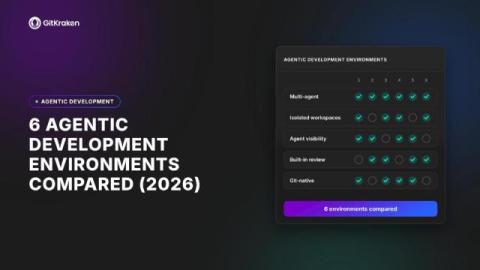
Your AI coding agents write functions, refactor modules, and generate tests in seconds. Running five of them across three repositories at the same time? That’s a coordination problem, not a code generation problem. Agentic development environments give you one surface to orchestrate multiple agents, review every diff, and get code merged without losing context.