The latest News and Information on CyberSecurity for Applications, Services and Infrastructure, and related technologies.
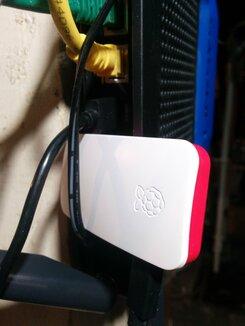
Several months ago I started the practice of using CFEngine Enterprise and its Mission Portal UI on a daily basis to manage the connected devices in my home. To start, I brought up an old desktop machine, cfengine-hub, to use as my hub and downloaded Enterprise, which is free for use up to 25 hosts. The next step in using best practices is to deploy policy from a version control repository.
Network security has changed a lot over the years, it had to. From wide open infrastructures to tightly controlled environments, the standard practices of network security have grown more and more sophisticated. This post will take us back in time to look at the journey that a typical network has been on over the past 15+ years. From a wide open, “chewy” network, all the way to zero trust networking. Let’s get started.
In this blog, we will compare and contrast Falco vs. AuditD from a Host Intrusion Detection (HIDS) perspective. AuditD is a native feature to the Linux kernel that collects certain types of system activity to facilitate incident investigation. Falco is the CNCF open-source project for runtime threat detection for containers and Kubernetes. We will dig deeper into the technical details and cover the installation, detection, resource consumption, and integration between both products.
At RapidSpike everyone gets involved with product and feature ideation, including our customers! We pride ourselves on being responsive to your needs, taking your feedback, and turning it into our next great feature — after all, you know what you need. We’re here to listen and our developers love tackling a new challenge and solving a tricky problem. This has trickled down into one of our latest features — Configurable Assurance Alerts.