Operations | Monitoring | ITSM | DevOps | Cloud

The latest News and Information on CyberSecurity for Applications, Services and Infrastructure, and related technologies.

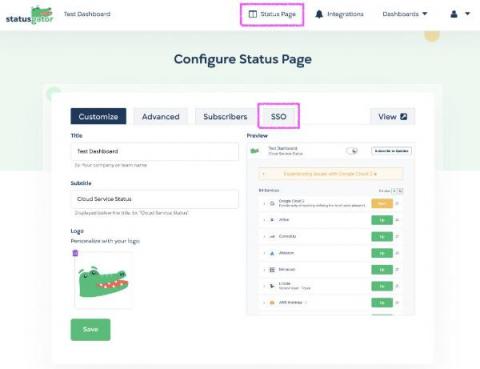
New Feature: Enhance Security with Status Page SSO

We’ve heard your feedback and it’s here: Status page SSO is now available on our Enterprise plan. Status Page Single Sign-On (SSO) empowers StatusGator customers to safeguard their status pages through a seamless Single Sign-On experience. You can now restrict access to your status page to only your team, employees, or users who have SSO access through your organization’s identity provider.

Blackhat 2023 Recap: How Will Advanced AI Impact Cybersecurity?

Ed Bailey and Jackie McGuire from Cribl will recap Black Hat 2023, focusing on emerging trends in cybersecurity, including the rise of advanced AI. We’ll share insights and anecdotes from our time at the event. Tune into the live stream for an engaging discussion, and come prepared with your thoughts and questions about Black Hat and the future of cybersecurity.

Online Security For Businesses: Threats, Weaknesses, And Solutions

The rapid evolution of technology has brought about immense benefits, but it has also paved the way for sophisticated cybercriminals. These adversaries are constantly devising new methods to exploit vulnerabilities in business IT systems. From ransomware attacks to phishing schemes, the variety and complexity of these threats are escalating. As businesses expand their online presence and rely more on digital platforms, understanding the landscape of cyber threats becomes crucial. It's not just about protection; it's about staying ahead in an ever-changing cyber environment.

How to Utilize Dark Web Monitoring Protection

Odds are, you've heard about the dark web. Nevertheless, you may be unsure about its threat to your business and how to address it. The dark web is a set of anonymously hosted websites within the deep web accessible through anonymizing software, commonly "TOR" (The Onion Router). The anonymity these websites provide makes them the perfect online marketplace for illegal activities.

What is MITRE ATT&CK and How to Use the Framework?

The MITRE ATT@CK® framework is one of the most widely known and used. The Flowmon Anomaly Detection System (ADS) incorporates knowledge of the MITRE ATT&CK framework. Using ADS and its MITRE ATT&CK knowledge makes detecting advanced threats against networks and IT systems easier and simplifies explaining the danger and risks when outlining an attack to all stakeholders.

Breaking the Cloud Illusion: The Hard Truth about Successful Migrations

Join our Kentik experts and Andrew Green, Research Analyst at GigaOm for a panel discussion on common challenges organizations face as they move their workloads to the cloud. They will discuss some tales from the field and ways organizations can mitigate some of these challenges, such as cost overruns, connectivity interruptions, and security considerations.

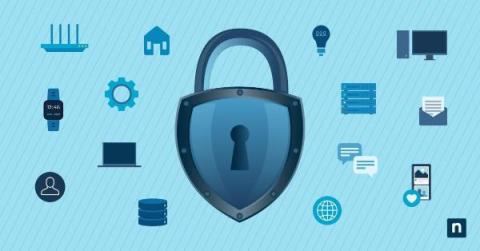
How to Secure IoT Devices: 5 Best Practices

Internet of Things (IoT) devices, computing devices that send and receive information via the Internet and that run very specific applications, can be anything from smart thermostats to smart TVs. The main advantage of IoT devices is their constant connectivity, which allows users to access information and control the devices remotely at any time.

Securing Firmware Updates With AES Encryption

Connected devices require a secure point-to-point channel to ensure that there is no possibility of exposing important data for the integrity of an embedded system. This is especially true when we talk about over-the-air (OTA) software updates, where the new firmware has a long way to go before reaching its destination and being installed by our bootloader. In this publication, we will explore a simple method to encrypt the firmware using the AES algorithm, using open-source libraries in Python.

Securing Company Data With Enterprise Access Control

Access control is a vital security measure that manages user interactions with systems, networks, or resources, safeguarding sensitive information and preventing unauthorized access. By granting or denying specific permissions based on user roles, organizations ensure that only authorized individuals have access to data, mitigating the risk of data breaches and cyberattacks.