The latest News and Information on Observabilty for complex systems and related technologies.
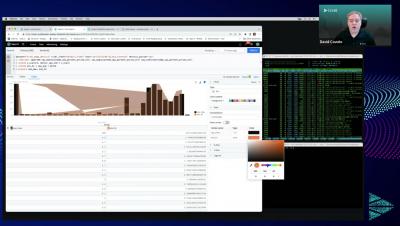
Imagine a universe in which a massively multiplayer online role-playing game (MMORPG) sets Guinness World Records for the size of its online space battles—and that game is built on 20-year-old code. Well, imagine no more. Welcome to the world of EVE Online, where hundreds of thousands of players interact across 7,800+ star systems and participate in more than one million daily market transactions.
With the current financial climate, cost reduction is top of mind for everyone. IT is one of the biggest cost centers in organizations, and understanding what drives those costs is critical. Many simply don’t understand the cost of their Kubernetes workloads, or even have observability into basic units of cost. This is where FinOps comes into play, and organizations are beginning to implement those best practice standards to understand their cost.
Growing pains can be a natural consequence of meteoric success. We were reminded of that in our recent panel discussion with SumUp’s observability engineering lead, Blake Irvin, and senior software engineer Matouš Dzivjak. They shared how SumUp’s rapid growth spurt compelled them to change their resolution process—both logistically and culturally—to ensure a service level quality that reflects their customer obsession.
In today's digital landscape, organizations rely on software applications to meet the demands of their customers. To ensure the performance and reliability of these applications, observability pipelines play a crucial role. These pipelines gather, process, and analyze real-time data on software system behavior, helping organizations detect and solve issues before they become more significant problems. The result is a data-driven decision-making process that provides a competitive edge.