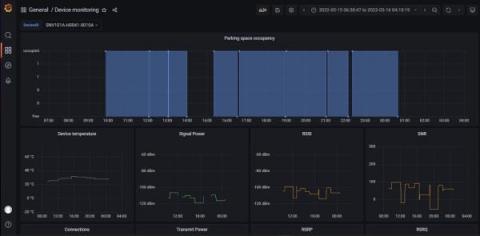
For smart cities of the future, monitoring infrastructure metrics like fuel and water levels is vital to optimizing operations. Fuelics PC designs and deploys battery-operated narrowband IoT (NB-IoT) sensors that monitor fuel, water, waste, and even parking capacity at the edge, then transmit that data to the cloud for easy viewing and monitoring.
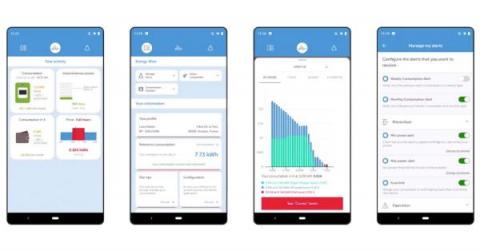
Smart energy IoT platforms are empowering consumers to track energy usage and even control spend based on their next bill’s forecast. Yet eSoftThings, a specialist in the Internet of Things (IoT) and artificial intelligence (AI), set out to push smart energy management even further, for both consumers and utility companies, through its IoT platform eSoftLink.
The US may be heading for a recession this year. It isn’t slowing down growth in the global Internet of Things (IoT) services market. That’s expected to grow from $163.7 billion in 2021 to $188.8 billion in 2022 at a compound annual growth rate (CAGR) of 15.3%, according to Reportlinker.com. The market is expected to reach $340.61 billion in 2026 at a CAGR of 15.9%.
We just released Tracealyzer version 4.6.4. Users with a current support contract can upgrade from within the application, or by going to the update page and download the right binary for their platform.
With only a week to go before the start of the 2022 American Solar Challenge (ASC), here’s a good luck shout out to the University of Calgary Solar Car team! Their race car, the Schulich Elysia, not only looks stunning, it also packs a powerful solar battery that can store up to 18 kWh of energy, enough to drive the car over 300 km when there’s no sunlight. Percepio is immensely proud that our Tracealyzer tool has been involved in perfecting this battery technology.
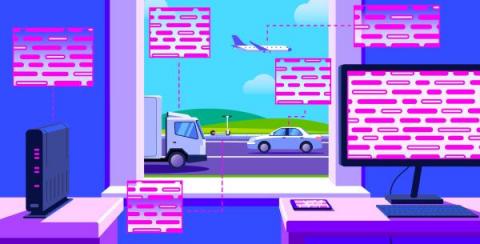
The Internet of Things (IoT) can be found in a diverse range of devices, including fleets of autonomous vehicles, automobiles, planes, electric charging stations, and voice controllers. These devices are embedded with gateways, electronics, actuators, platform hubs, and cloud-service connectivity, enabling them to exchange data across the physical, network, and application layers that constitute IoT architecture.
When firefighters arrive at burning buildings, they must contain the blaze, rescue inhabitants and keep calm under pressure. As IoT devices are increasingly deployed throughout cities, firefighters could have access to more information that could save more lives and lead to less lost property through use of real-time data about surroundings impacting people in need.