Operations | Monitoring | ITSM | DevOps | Cloud

Agentic AI or CLM Compliance? A Buying Test for Financial Services

Consider a hypothetical bank negotiating a technology supplier agreement. An AI agent spots a change to the audit-rights clause, proposes replacement language and prepares the contract for approval. The review looks faster. Then someone asks which policy version the agent used, whether the replacement was approved, and what prevents the unsigned draft from becoming the operational record. Those questions should shape the buying decision.

Get a weekly view of your service reliability

StatusGator already keeps you informed as outages happen with status change notifications and Early Warning Signals. Now, you can also get a simple summary of how your services performed over the past week. We’ve added Weekly Uptime Reports, delivered directly to your inbox. Each weekly report gives you an at-a-glance view of your StatusGator board, including: This makes it easy to review the week without digging through individual incidents or notification emails.

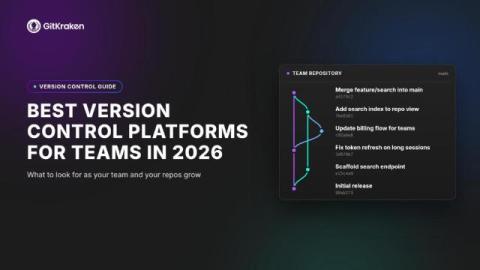
Best Version Control Platforms for Teams in 2026

Your distributed team just merged three branches at once, and the commit graph looks like a plate of spaghetti. Choosing the right version control platform determines whether that scenario ends in a five-minute fix or a full afternoon of detective work. GitKraken gives you a visual, cross-platform approach to Git that turns complex repository management into a clear, collaborative workflow.

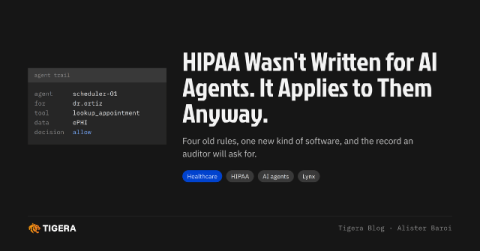
HIPAA Wasn't Written for AI Agents. It Applies to Them Anyway

In short, healthcare is adopting AI agents faster than almost any other industry. More than 85% of Epic’s customers already use Epic AI, Epic’s Agent Factory will let every health system build agents of its own from 2027, and 43% of health systems were piloting agentic AI at the start of this year.

Intent-driven development: How to guide agents from idea to implementation

Intent-driven development (IDD) is an approach to AI-assisted software development where teams make the desired behavior, constraints, and criteria for success explicit, then give an agent freedom to determine how to achieve the result. As agents take on larger and more autonomous development and maintenance tasks, the implementation itself becomes easier to replace. The important question is whether the software still behaves the way the team intended.