Operations | Monitoring | ITSM | DevOps | Cloud

The latest News and Information on Containers, Kubernetes, Docker and related technologies.

Qovery is a G2 High Performer for Summer 2022

We at Qovery are excited to announce that G2 has named Qovery as a Summer 2022 High Performer in the following categories: Continuous Deployment / Environment as a Service. G2 is the world’s largest tech marketplace. The High Performer Award recognizes companies with high customer satisfaction ratings relative to their market presence.
Introduction to Cloud Native Application Architecture

Today, it is crucial that an organization’s application’s scalability matches its growth tempo. If you want your client’s app to be robust and easy to scale, you have to make the right architectural decisions. Cloud native applications are proven more efficient than their traditional counterparts and much easier to scale due to containerization and running in the cloud.

Active Zero Trust Security for Containers and Kubernetes

Tigera provides the industry’s only active Cloud-Native Application Protection Platform (CNAPP) with full-stack observability for containers, Kubernetes, and cloud. Calico prevents, detects, troubleshoots, and automatically mitigates exposure risks of security issues in build, deploy, and runtime stages across multi-cluster, multi-cloud, and hybrid deployments. Calico works with popular managed Kubernetes services such as AKS, EKS, and GKE, as well as self-managed Kubernetes distributions including Red Hat OpenShift, SUSE/Rancher, VMware Tanzu, and Mirantis.

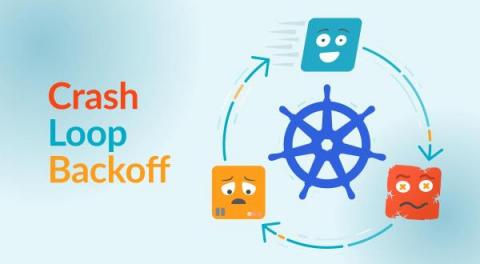
What is Kubernetes CrashLoopBackOff? And how to fix it

CrashLoopBackOff is a Kubernetes state representing a restart loop that is happening in a Pod: a container in the Pod is started, but crashes and is then restarted, over and over again. Kubernetes will wait an increasing back-off time between restarts to give you a chance to fix the error. As such, CrashLoopBackOff is not an error on itself, but indicates that there’s an error happening that prevents a Pod from starting properly.

Heroku discontinued their free tier - what are the top 3 best alternatives?

Today, It's a sad day for thousands of developers that were able to host their applications for free on Heroku. Heroku (acquired by Salesforce) announced that they discontinue their free tier to focus on "mission critical" businesses. Heroku has undoubtedly changed how developers deploy their applications in the cloud - but now, what are the valid alternatives? Here is a list of the top 3 best Heroku alternatives.

Deploying a dockerized .NET Core app to an Azure container instance

In this tutorial, you will learn how to build a custom ASP.NET Core container with Docker and host the container image on Azure Container Registry, a platform owned by Microsoft that allows you to build, store, and manage container images in a private registry. At the end of this tutorial, you will be able to apply the knowledge gained here to link your container image on the Microsoft Azure registry with a web app service and launch your application.

How to Explain Zero Trust to Your Tech Leadership: Gartner Report

Does it seem like everyone’s talking about Zero Trust? Maybe you know everything there is to know about Zero Trust, especially Zero Trust for container security. But if your Zero Trust initiatives are being met with brick walls or blank stares, maybe you need some help from Gartner®. And they’ve got just the thing to help you explain the value of Zero Trust to your leadership; It’s called Quick Answer: How to Explain Zero Trust to Technology Executives.

Top 5 Debugging Tips for Kubernetes DaemonSet

Kubernetes is the most popular container orchestration tool for cloud-based web development. According to Statista, more than 50% of organizations used Kubernetes in 2021. This may not surprise you, as the orchestration tool provides some fantastic features to attract developers. DaemonSet is one of the highlighted features of Kubernetes, and it helps developers to improve cluster performance and reliability.

Behind the Scenes with the Kubernetes 1.25 Release

Join us live on August 23 as SUSE's Robert Sirchia hosts Rey Lejano, Emeritus Adviser of the Kubernetes 1.25 release team, during the Kubernetes 1.25 release. Rey will guide you through the Kubernetes Release Process and Release Cycle showcase the highlights of this release. This is your chance to ask questions directly to the people involved and look behind the scenes of the release process.