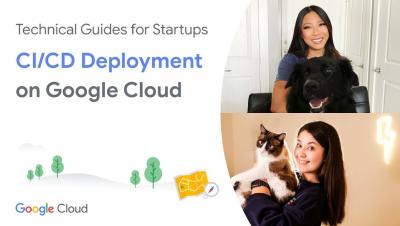
CI/CD on Google Cloud
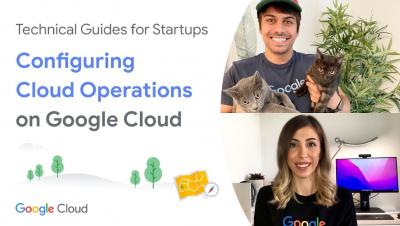
In this video we talk about the importance of CI/CD, different strategies, and how to design a CI/CD workflow on Google Cloud including a demonstration.


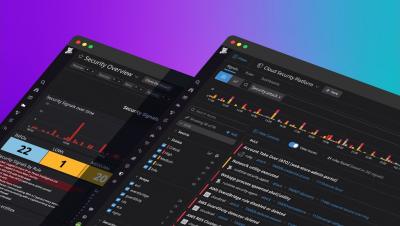
The latest News and Information on Cloud monitoring, security and related technologies.
Technology teams are under more pressure than ever before. They’re balancing the demands of a changing workplace, growing customer expectations, and shifting from traditional to digital delivery. While managing more applications with less visibility, they face expectations to deliver fast, customer-grade experiences. These digital experiences are increasingly enabled by the cloud.
All Cloud providers such as AWS, Azure, Google Cloud Platform, and Oracle Cloud offer Object Storage solutions to economically store large volumes of data and retrieve it on demand. It’s far cheaper to store one petabyte of data in object storage than in block storage. As AWS S3 has become the standard, many on-premise storage appliance vendors have incorporated S3 APIs to store and retrieve data. Oracle wisely continued that trend to OCI (Oracle Cloud Infrastructure).
Serverless has become an increasingly popular paradigm among organizations looking to modernize their applications as it allows them to increase agility while reducing their operational overhead and costs. But the highly distributed nature of serverless architectures requires developers to rethink their approach to application design and development. AWS-based serverless applications hinge on AWS Lambda functions, which are stateless and ephemeral by design.