Operations | Monitoring | ITSM | DevOps | Cloud

The latest News and Information on Cloud monitoring, security and related technologies.

What To Know About Microsoft Azure PostgreSQL Hyperscale

As organizations adopt cloud technologies and modernize their applications, the data they generate and ingest often grows exponentially, leaving them with difficult choices for storing and using this data. Customers are beginning to explore moving away from traditional relational database management systems (RDBMS) because of the data volume to be ingested, as these RDBMS often cannot handle workloads.

Datadog alternatives for cloud security and application monitoring

If you work in IT or DevOps, unless you’ve been living on a remote island without Internet access, you’ve likely heard of Datadog, a popular platform for monitoring cloud applications. Datadog collects and interprets data from various IT resources. The resulting insights assist in managing performance and reliability challenges to deliver a better end-user experience.

Monitoring the AVD Broker

A legacy way to deploy applications and desktops on Azure was often to put some Server 2022 VMs (Virtual Machines) in Azure running the standard RDS (Remote Desktop Services) roles – session hosts, brokers, gateway etc. and then pay the compute costs for your session hosts, brokers, and gateways, set up a public IP address and open ports.

How to change the Tiering of Azure Blobs

In this blog post, I will show you how easy it is to move a single Azure Blob or even select mutlipe or the complete container and move those blobs from any storage tiering to another with just a few clicks. There are cost benefits moving your Azure Blobs down to a lower Storage Tier, Hot being the most expensive, with a cool a little bit cheaper, and the Archive Blob Tier having the lowest cost option. For most Azure Storage Cost saving ideas, we cover some in another blog.
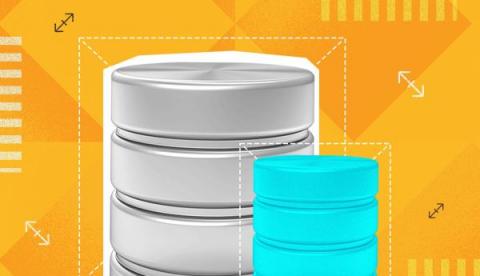
10 Future Alternative Methods of Data Storage That May Change the Cloud for Good

By 2025, it's expected that the amount of data produced per day will be 463 exabytes. 1 exabyte is 1 million terabytes or 1 billion gigabytes—that's a lot of data! Safely storing data ensures that all the knowledge you gather over the years is retained and maintained. Proper storage is super vital for all individuals, businesses, and other organizations. There are many ways to store data, from old-fashioned paper records to modern digital methods.