Operations | Monitoring | ITSM | DevOps | Cloud

The latest News and Information on Containers, Kubernetes, Docker and related technologies.

K3s vs. Talos Linux: What's the difference

Kubernetes has become the go-to container orchestration system for many organizations. But managing Kubernetes clusters can take time and effort, especially for smaller teams or organizations with limited resources. This is where focused Kubernetes distributions like K3s and Talos Linux come in. They offer simplified and streamlined versions of Kubernetes, making it easier to deploy and manage clusters. This blog will introduce you to K3s and Talos Linux and compare their features and capabilities.

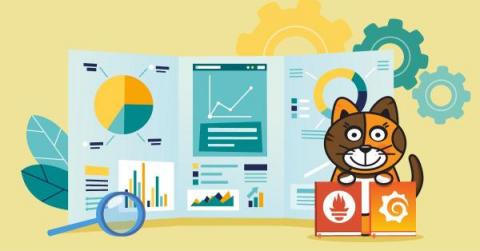
How To: Kubernetes Inventory Monitoring with DX UIM

Learn how to install and configure new monitoring solution to discover, dashboard and monitor your enterprise Kubernetes deployment using DX Unified Infrastructure Management. DX UIM continues to expand its coverage of new-age technologies across hybrid, multi-cloud environments to provide full-stack observability from a single pane of glass.

Kubernetes 1.27 - What's new?

This release brings 60 enhancements, way up from the 37 enhancements in Kubernetes 1.26 and the 40 in Kubernetes 1.25. Of those 60 enhancements, 12 are graduating to Stable, 29 are existing features that keep improving, 18 are completely new, and one is a deprecated feature. Watch out for all the deprecations and removals in this version! The main highlight of this release is actually outside Kubernetes.

eBPF Explained: Why it's Important for Observability

eBPF is a powerful technical framework to see every interaction between an application and the Linux kernel it relies on. eBPF allows us to get granular visibility into network activity, resource utilization, file access, and much more. It has become a primary method for observability of our applications on premises and in the cloud. In this post, we’ll explore in-depth how eBPF works, its use cases, and how we can use it today specifically for container monitoring.

Making Kubernetes Dev-Friendly with Komodor & Okteto

Kubernetes has become the software world’s infrastructure, leading to significant changes in application architecture and packaging. Despite the introduction of new technologies and practices, they have not kept pace with the rapid growth of the K8s ecosystem. As a result, developers who once solely focused on coding are now spending hours on operations, leading to a longer feedback loop during development. They’re expected to have an understanding of Kubernetes in order to do their jobs, causing a significant drop in productivity and leading to a poor dev experience.

Embrace the Power of ARM and AWS Graviton with Qovery - It's Now GA!

Qovery now fully supports ARM and AWS Graviton instances! This exciting update means you can now enjoy a whole new level of efficiency and cost-effectiveness when running your cloud workloads on Qovery. In this article, we'll dive into the many benefits of using AWS Graviton instances and discuss some potential downsides to ensure you make an informed decision. And, of course, we'll guide you through the simple process of migrating from AMD64 to ARM with Qovery's help.

Containerization 102 Security Optimization and Speed

We continue our series on containerization in this session, diving a bit deeper to discuss the key areas to ensure container optimization and speed, such as: What are the security ramifications of containers? How have platforms enabled the rise of containers and microservices? What challenges have been introduced by containers and platforms? What are some of the enhancements to networking, and why this improves the speed of delivery