
Operations | Monitoring | ITSM | DevOps | Cloud

Setting Up Server Monitoring for a Rails App on Hatchbox

Owning your server stack shouldn't be a source of anxiety. Unfortunately, it often is, especially if you only pay attention to the problems you can feel in your gut: Is the app running? Is it throwing exceptions? Does it seem fast enough? These are great intuitive measurements, but just as a doctor uses diagnostics to catch high blood pressure before it becomes a crisis, you need deeper visibility to detect memory leaks, CPU spikes, and disk consumption before they bring your project to a halt.

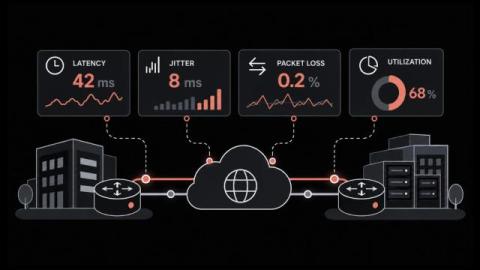
What Is Network Operations Center (NOC)

Quick Answer A Network Operations Center (NOC) — pronounced “knock” — is a centralized physical or virtual facility where IT professionals monitor, manage, and maintain an organization’s network infrastructure on a 24/7/365 basis. The NOC serves as the nerve center for detecting incidents, coordinating responses, and ensuring maximum network availability and performance.

The cloud optionality blueprint: standardizing the stack to end vendor lock-in

Key takeaway: Real cloud strategy isn't about running the same workload everywhere at once; it’s about the freedom to move when you need to. By standardizing the unified configuration file, Upsun enables true cloud optionality, moving provider migration from a re-architect project to a data move project.

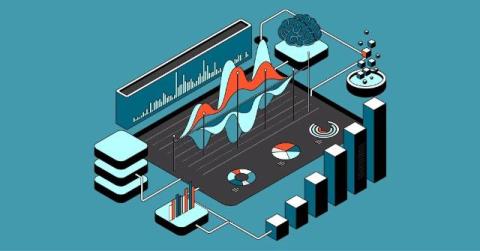
Why dashboards still matter in the age of AI

I recently gave a talk at Experts Live India 2026 about SquaredUp, and even before getting into the demo, there was one question I knew I had to address: Is the dashboard era over? It's something we're all hearing more. "Just ask AI." "Agentic AI will build your dashboards automatically." "Why bother with static views when a chatbot can answer anything?" It's a fair question. Answering it requires a clear understanding of what a dashboard represents.

Context Engineering: How to Manage AI Context at Scale

Context engineering is the practice of managing the information an AI model sees (documents, tool outputs, memory, and structured metadata about the systems it reasons over) so it can make accurate decisions inside a real engineering organization. Most engineering teams have access to the same AI coding agents: Claude, GPT, Gemini, the major variants everyone is shipping. The model is no longer the differentiator.

Bindplane Now Ships With a Native AI Skill - Bring Your Own Agent

Today we're rolling out the Bindplane AI Skill, a built-in capability of the Bindplane CLI (v1.98+) that teaches your favorite AI coding tool how to work with Bindplane — natively, accurately, and without the setup headaches of traditional integrations. Read Part 2 of the Bindplane AI Skill series to learn more about how we built it and how it works with real-life examples.

What happens when you delete everything? Three minutes, or thirty hours.

Last year, at the annual conference for an open source framework you've definitely heard of, I walked up to the founder in a room outside the main stage. He was hunched over his laptop, frantic. We've known each other for a few years. "What's going on? Is everything okay?" He looked up with the specific shade of white people only get when they realize they've made a big mistake.

Moving On From MCP: How We Built the Bindplane AI Skill

If you've spent any time wiring AI coding agents into developer platforms over the last year, you've probably reached for MCP. We did too. And after enough sessions watching context windows balloon and tool calls misfire, we started looking for something different. This is the story of what we built instead — a native AI skill for the Bindplane CLI — and the engineering decisions behind it.

Ticket Taker to Team Leader: Managing an Agentic IT Workforce

The promise of AI in IT service management has been circulating for years. Chatbots that deflect tickets. Virtual agents that answer FAQs. Automation that routes requests. These are useful, but probably not the dream-state you were originally sold. What's different today is the arrival of agentic AI: systems that don't just respond to instructions but reason, act, and adapt across multi-step workflows with real consequences. The question for IT leaders is no longer whether to adopt agentic ITSM.