Operations | Monitoring | ITSM | DevOps | Cloud

Optimizing Kubernetes node resources: How to avoid exhaustion and improve performance

Resource exhaustion at a node remains a critical issue. However, the automation of deployment and management of containerized applications is executed relatively efficiently in Kubernetes. When a node is low on resources—as in CPU, memory, or storage—a workload may suffer from failures, degraded performance, and eviction.

How SNMP traps help prevent network failures: A use case analysis

You're likely well aware of how damaging network downtime can be to an enterprise's revenue, reputation, and overall operational efficiency. But what if you could spot potential issues before they turn into major problems? That's how Simple Network Management Protocol (SNMP) traps help enterprises stay ahead of failures and keep networks running smoothly. SNMP traps are an essential tool for network observability in enterprises looking to maximize uptime, optimize costs, and enhance resilience.

From surface-level to strategic: Benefits of network traffic analysis

Enterprises are experiencing fluctuations in workforce dynamics amidst the insurgence of new technologies while also tackling the growing prevalence of cyberthreats. They are increasingly turning to cloud technologies, which are scalable and flexible, to adapt to these changes.

5 Critical Network Security Threats for 2025

In this video, we break down the top 5 critical network security threats and show you how Site24x7’s comprehensive security features can help you: Detect misconfigurations before ransomware strikes Identify insider threats with intelligent traffic analysis Secure IoT devices with automated compliance checks Prevent privilege escalation by monitoring configuration changes Protect against supply chain attacks with SDN and SD-WAN monitoring Don’t wait for a security breach to take action! Start monitoring your network today with Site24x7.

How to get started with error budgets to meet SLOs for improved service reliability

As modern IT systems grow in complexity, IT operations teams have to work harder to ensure reliability. "What gets measured gets managed" is a management mantra that emphasizes the role of metrics in management. To ensure everything works well, operations teams need service-level objectives (SLOs). This industry term measures how an application meets the agreed-upon quality and reliability standards, serving as a bellwether of good software.

From failure to fix: Diagnose Kubernetes Node and Pod problems with Site24x7

Picture a busy Monday morning. You are working on leftover projects from the previous week, and assuming everything is fine with your applications as you had not received support tickets during the weekend. All of a sudden, during the middle of the day, you get a flood of reports from users who complain about slow response in your application and error pages piling up. You and your team are scrambling hard to figure out the issue.

Debugging performance issues in Azure Service Bus

Azure Service Bus is a critical messaging service for building scalable cloud applications, but performance bottlenecks can lead to delayed message processing, throttling, or even dropped messages. It is essential to identify and resolve these issues to maintain smooth application workflows and prevent downtime. This blog explores common Azure Service Bus performance problems, provides step-by-step debugging strategies, and highlights how proactive monitoring can prevent recurring issues.

Utilizing browser emulation and automation languages in digital experience monitoring

With multiple factors affecting the performance of online businesses, offering glitch-free transactions has become a necessity. A key component of delivering great user experience is effective digital experience monitoring(DEM), which involves closely tracking performance across different devices, browsers, and locations.

Decoding AI-led event correlation for mastering modern IT management

"The whole is more than the sum of its parts," said Aristotle. This quote fits the amazing world of modern IT, where several intricate, interwoven, and intensely dynamic ecosystems come together. Today, every component, from applications and microservices to networks and databases, interacts dynamically. To ensure seamless operations, IT teams are expected to decode the language of these interactions: events and incidents.

Leveraging AI for enhanced network monitoring in healthcare: A guide for CXOs

During emergencies and illnesses, people expect intuitive healthcare services. When multiple tests and reports are involved, patients anticipate that the results will be available to their doctors instantly for quick diagnoses. Waiting for a paper copy of each test result is not feasible.

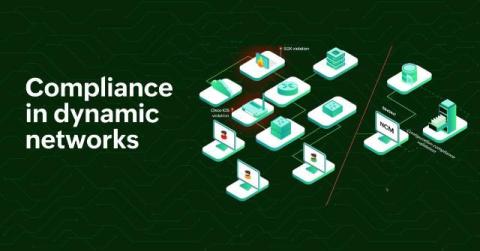
Continuous compliance monitoring in dynamic network environments

With hybrid cloud models and multi-cloud infrastructures, network administrators often find that managing compliance requires constant ingenuity that’s as fluid and unpredictable as the technologies they’re using. For CXOs, it’s a ticking time bomb. One wrong turn or a misstep in managing compliance could lead to penalties, legal nightmares, and a reputation that takes years to rebuild. So, the real question is: How do you keep up with the tech landscape and stay compliant?

What happens when networks aren't monitored? Key risks and consequences

In today's hyper-disruptive risk climate, most businesses are under-prepared. With cyberattacks threatening organizations every day, even the most experienced risk professionals are under growing uncertainty. In this climate, can you really afford not to monitor your networks? Failing to monitor your network isn't just a technical oversight; it's a strategic vulnerability.

Boosting in-app purchase success rates: Five proven strategies for seamless transactions

In-app purchases (IAPs) are the lifeblood of mobile app monetization, but getting users to complete a transaction isn’t always easy. A slow checkout page, a failed payment request, or even a minor delay in loading the purchase screen can make users abandon their purchase altogether. So, how do you optimize the app conversion rate and ensure that a user has a successful transaction every time?

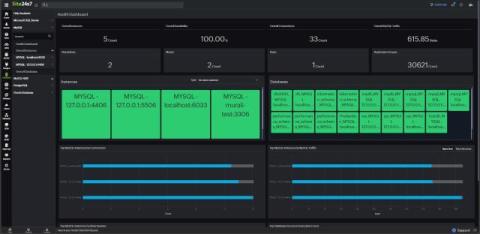
Mastering MySQL connection pooling: Why monitoring matters

Because you've navigated here, it's clear you know the significance of managing your databases. We all agree that maintaining the speed and responsiveness of our applications depends upon how we manage our database connections. In this blog post, we will focus on MySQL databases. MySQL connection pooling is revolutionary because it speeds up queries, conserves resources, and allows applications to handle high traffic effortlessly.

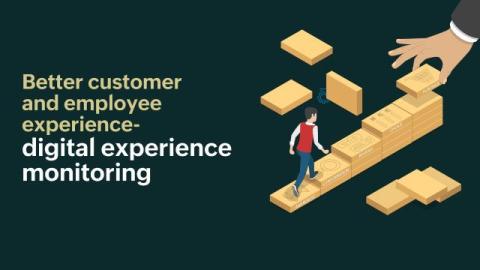
How digital experience monitoring (DEM) tools improve both customer and employee journeys

Outstanding digital experiences are becoming a basic requirement in today's digital economy rather than a distinction. From initial discovery to post-purchase assistance, customers demand smooth, personalized journeys that fulfil their expectations and flow naturally via each touchpoint. Employees need the tools and information to support these experiences effectively.

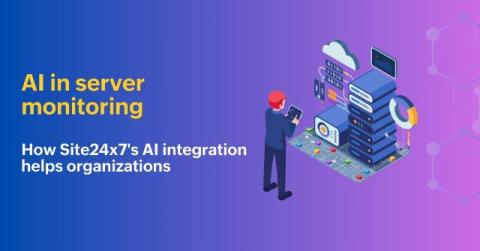
AI in server monitoring

AI is what automation used to be: the latest problem-solver. Organizations have rallied their teams to integrate AI into their workflows to quadruple the efficiency quotient—and it's already started to yield results. As organizations increasingly rely on complex server ecosystems, traditional monitoring methods often struggle to kee pace with the volume and complexity of data generated. AI can be a star player here.

Identifying and fixing deadlocks in Java

A deadlock occurs when two or more threads are continuously blocked after waiting for the same resources. In other words, Thread A is waiting for a resource held by Thread B, while Thread B is also waiting for a resource held by Thread A. This creates a loop of blocking, causing the application to become unresponsive.

Tackling geographic discrepancies in user experience for mid-market businesses with real user monitoring

Middle market businesses operate in a unique space—they need to do more with less. Whether you’re running an e-commerce store, a SaaS platform, or a service-based website, customers of mid-market businesses expect fast-loading pages and smooth interactions—no matter where they are. Creating a seamless digital experience is essential for customer retention and revenue growth. But here’s the challenge: Website and application performance aren’t the same everywhere.

From detection to resolution: The DEM workflow

Like finicky eaters, customers look for a smooth, satisfying meal with each course fulfilling their needs. A slow server, a confused menu, or a process hiccup all take away from the entire experience. Companies require a strong tool, such as digital experience monitoring (DEM), to not only spot the problems but also to promptly fix them. Similar to the kitchen manager eagerly acquiring ingredients and presenting the food, the site owner makes sure everything goes well without a hitch.

5 strategies to reduce false alerts in server monitoring

There are two types of alerts you don't want: We call these false alerts. As a person with responsibility over your IT infrastructure, it is natural that you have configured your monitoring systems to alert you at every step. But when these false alerts take up too much of your time, one of these unfortunate scenarios may occur: Let's explore more about false alerts before we dive into five strategies to avoid them.

The critical role of Kafka monitoring in managing big data streams

Apache Kafka is the backbone of modern data streaming architectures, enabling real-time data movement, stream processing, and event-driven applications at scale. It enables high-throughput messaging between data sources and analytics platforms, supports log aggregation, and facilitates scalable extract, transform, load (ETL) pipelines for continuous data transformation and storage.

DEM 101: Understanding and implementing digital experience monitoring

A faulty engine in a high-performance car; how disappointing can that be? The same is the case of a slow-loading, poorly performing webpage for any digital entity. All that the page can gain will be a group of tired and irritated customers and a loss of trust in the brand. Modern businesses need a fast, reliable, and seamless digital experience. Proactive monitoring of the user experience—understanding how users interact with all digital touchpoints—is vital.

The importance of benchmarking in digital experience monitoring

Having a smooth and effective online experience is now essential rather than a differentiation. Customer loss, damaged brand reputation, and eventually a sharp decline in profitability can all result from a subpar digital experience. Gaining a significant competitive edge and promoting ongoing improvement are two benefits of knowing how your digital experience compares to industry best practices.

The ultimate guide to cloud-native application performance monitoring with AWS, GCP, and Azure

The rapid adoption of cloud-native applications has revolutionized how businesses innovate, scale, and optimize costs. These applications leverage microservices, containers, and serverless functions, allowing seamless collaboration across multiple platforms like AWS, GCP, and Azure. However, managing performance in such a distributed environment presents challenges such as latency, security risks, and cost-inefficiencies.