IT analytics in 90 seconds: A bird's-eye view of your Amazon AWS infrastructure
The Amazon AWS dashboard in Analytics Plus gives you a 360 degree view of your cloud infrastructure.


Software is eating the world. How we spend time, what we eat, who we meet, how we communicate, where we travel... is defined by the code. Increasingly, software is calling the shots and telling humans what to do. With deep learning, this trend is just going to accelerate. The most powerful companies that used to rule the world with professional, skilled executives are becoming incumbents getting disrupted.
These days we spend a lot of time talking about modernizing our stack, modernizing our architectures, using new application components, modern application life cycles, etc. So, what is this all about and why do we spend so much time talking about it? First, there is a lot of self-serving vendor speak involved…starting with cloud providers and closely followed by open source commercialization shops and commercial ISVs (ourselves included) who have to spin the world in their own image.
Today, I’m excited to announce a partnership between Logz.io and Microsoft Azure. With this partnership, Logz.io is now offering Azure customers a fully managed, scalable machine data analytics platform built on ELK and Grafana. What does that mean? Azure customers can now easily deploy, run, and scale ELK without the hassle and pain of maintaining and managing the stack themselves.
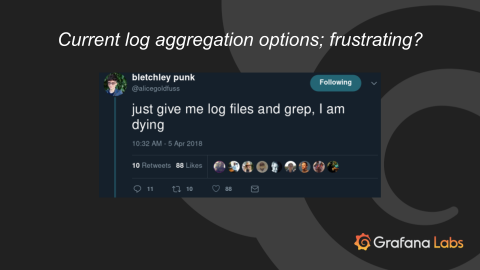
The situation is all too familiar: You get an alert. You look at your metrics and your dashboards to try and find out what the cause might be and when the incident actually started (instead of when the alert happened). Then you have to go somewhere else to look at logs because eventually you need more data.
As Stephen Marsland once said, “if data had mass, the earth would be a black hole.” A vast part of the immense amount of structured and unstructured data that we call “Big Data” is nothing but machine-originated log data. Logs are generated for a lot of different purposes – from security to debugging and troubleshooting. They constitute a gold mine of useful information and actionable insights if properly stored, managed, and analyzed.