Mailchimp
Not subscribed to OpsMatters Newsletter


Do you know this situation? You are on-call and in the middle of the night you get a phone call. Loud enough to wake you up. Loud enough to wake your wife up, as well. You stand up and check your emails to see what the problem is. OK, you got it. Then you log on to the console of your monitoring tool and – green. Green? False alert? Why did you get the call then? After double-checking, still a bit sleepy, you recognize that the problem has been recovered automatically.
The ITOM Podcast returns with yet another episode to help you eliminate all the remote work woes in your IT environment. In the last episode, we discussed in detail about the key areas enterprises need to monitor to ensure endpoint security, measures to adopt to ensure cybersecurity while rolling out BYOD policies, and the crucial factors that IT leaders need to know about in the post-pandemic era with respect to IT security.
Deploying Docker images to Kubernetes is a great way to run your application in an easily scalable way. Getting started with your first Kubernetes deployment can be a little daunting if you are new to Docker and Kubernetes, but with a little bit of preparation, your application will be running in no time. In this blog post, we will cover the basic steps needed to build Docker images and deploy them to a Kubernetes cluster.
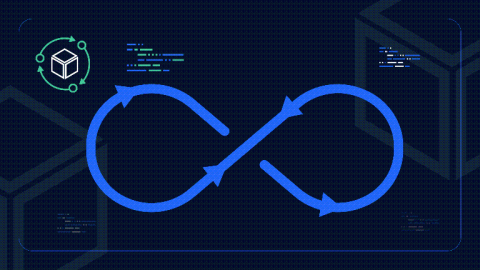
Observability is an indispensable concept in continuous delivery, but it can be a little bewildering. Luckily for us, there are a number of tools and techniques to make our job easier! One way to aid in improving observability in a continuous delivery environment is by monitoring and analyzing key metrics from builds and deploys. With tools such as Prometheus and their integrations into CI/CD pipelines, gathering and analysis of metrics is simple. Tracking these things early on is essential.