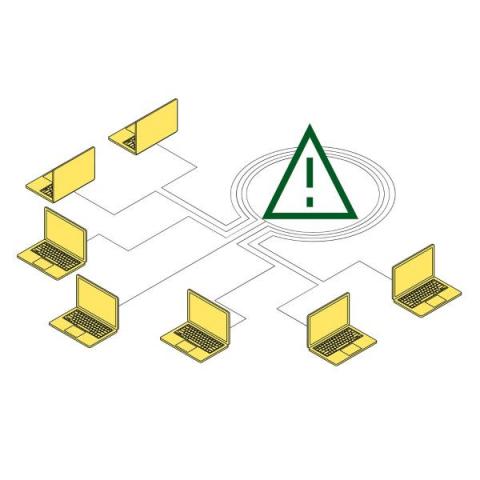
The number of tools used by distributed teams to manage incidents has multiplied over the years, leading to a valley of tool sprawl. Throw in manual processes and you’ve got too much toil and multiple points of failure. Maintaining disparate tools and systems isn’t just unwieldy, it’s expensive. Our latest capabilities add to the PagerDuty Operations Cloud to make it easier than ever for teams to consolidate their incident management stack.
Saving time and money is always important, but these days, it’s a mission-critical business imperative. At PagerDuty, we help organizations realize transformational gains in efficiency that drive both immediate financial impact and long-term business success. PagerDuty delivers clear value for any organization at any stage of operational maturity. But you don’t have to take our word for it – the real-life experiences of our customers speak volumes.
In our previous blog, we discussed the difficulty in capturing all relevant diagnostics during an incident before a “band-aid” fix is applied. The most common, concrete example of this is an application running in a container and the container is redeployed—perhaps to a prior version or the same version—simply to solve the immediate issue.
More data for data’s sake doesn’t help anyone. What organizations need is more information–actionable insight. With data coming from incoming streams of events and alerts, teams don’t have enough time to look at each one. And they struggle to parse and consolidate this data in order to figure out what they need to do next to resolve an incident.