Operations | Monitoring | ITSM | DevOps | Cloud

Complete web Performance Strategy with Web Synthetic Monitoring

You’ve optimized your code, implemented caching strategies, and configured your CDN perfectly. Your analytics dashboard shows respectable load times, and your development team reports everything is running smoothly. Yet, conversion rates remain stagnant, bounce rates climb during peak hours, and your competitors consistently outperform you in user experience metrics. What’s missing?


Let's Encrypt 45-Day Certificate Expiration: Monitoring & More

The move by Let’s Encrypt from 90-day certificates to 45-day certificates is more than a policy shift. It changes how teams must manage renewals, detect failures, and validate that certificates are deployed consistently across distributed systems. A shorter lifecycle compresses the margin of error. Automation that previously limped along unnoticed now breaks on a far tighter schedule. And every misconfiguration hits users faster.

Why Web Synthetic Monitoring essential for Modern Web Performance

Your analytics dashboard is green, which indicates that your application is up 99.9% of the time, pages load in under three seconds on average, and conversion rates are stable. But here’s the uncomfortable reality, you’re probably missing 40% to 60% of the actual performance problems which impact real customers every day.

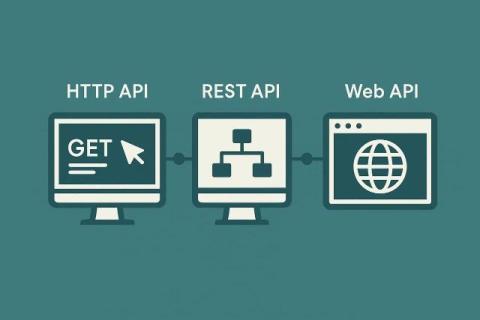
HTTP API vs REST API vs Web API: Architectures & How to Monitor Them

APIs power everything. From login flows to checkout systems to internal microservice communication. But as teams scale, so does the confusion around the terminology: HTTP API vs REST API vs Web API. Many articles treat these as interchangeable, but the differences are real, and they affect reliability, performance, caching behavior, authentication flows, and ultimately how you monitor your endpoints.

Secure SSL Monitoring Software: A Complete Guide to Safe & Automated Certificate Management

Secure SSL monitoring software has become essential for every business that depends on websites, web applications, APIs, or cloud services. With increasing security threats, expired certificates, and hidden configuration mistakes, companies need reliable tools to ensure their SSL certificates stay valid, updated, and fully compliant. The right monitoring solution helps avoid service outages, failed transactions, and data breaches caused by unmanaged or forgotten certificates.

SSL Certificate Management: A Complete Guide to Monitoring SSL Expiry, Validity & Certificate Health

Managing SSL certificates is essential for maintaining trust, security, and uptime across any website or online service. While many people think SSL certificate management refers to renewing or issuing certificates, one of the most critical aspects,often overlooked,is monitoring certificates for expiry, validity, and unexpected changes. That’s the area where monitoring platforms provide their highest value.

Ultimate Guide to DevOps API Monitoring for Modern SaaS Teams

APIs form the operational backbone of SaaS platforms. They authenticate users, deliver application data, process transactions, and connect multiple services into a cohesive ecosystem. When an API slows down or fails, the impact is immediate: login delays, frozen dashboards, broken customer workflows, and degraded user experience. For DevOps teams, this means monitoring must go far beyond checking status codes.

How to Check SSL Certificate Expiration Date: Complete Guide to SSL Monitoring

SSL certificates are critical for securing websites, web applications, and APIs. They encrypt data in transit, verify server authenticity, and build user trust. However, SSL certificates have a limited lifespan, typically ranging from 90 days to one year. When a certificate expires, visitors encounter security warnings, some services stop working, and it can affect search engine rankings. Monitoring SSL certificate expiration is essential to maintain secure and uninterrupted online services.

Web API Sample Endpoints to Practice Monitoring & Testing

APIs rarely fail in isolation. They fail under load, during token refresh, when a dependent service slows down, or when a multi-step workflow breaks halfway through. And yet most engineers still test and monitor APIs using mock endpoints that behave nothing like the real thing.

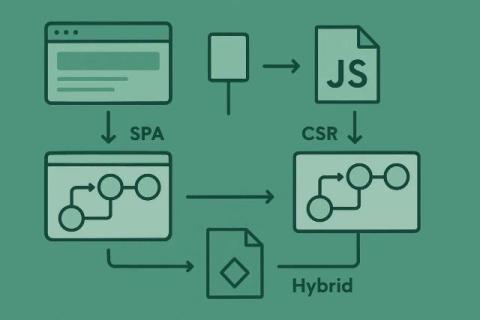
Monitoring Client-Side Routing Frameworks: SPA, CSR & Hybrid

Modern web applications have shifted their center of gravity. The page is no longer the system— the runtime is. Frameworks like React, Angular, Vue, Next.js, SvelteKit, Remix, and Nuxt treat HTML as a bootloader, and the real application emerges only after hydration, routing, data fetching, and continual re-rendering. What users experience depends entirely on JavaScript execution, not static markup. Teams usually discover this shift when the UI appears to load but nothing works.