
Operations | Monitoring | ITSM | DevOps | Cloud

The Ultimate Blueprint for Successful Synthetic Monitoring Implementation

In today’s digital world, the performance of websites and apps has a direct effect on sales, customer satisfaction, and brand reputation. Synthetic performance monitoring provides the proactive intelligence needed to ensure your application is always performing optimally. By simulating real user interactions from global locations before issues affect actual users, you transform from reactive problem-solving to proactive performance excellence.

How to Monitor SSL Certificate Expiration - Complete 2025 Guide

Nowadays, it is very essential to keep your website secure. One of the simplest yet overlooked ways to protect your website is by monitoring SSL certificate expiration. Many website owners do not realise how quickly an SSL certificate expired. This can be damaging for the website. Imagine if you wake up in the morning and get to know that the red “Not SECURE” sign appears to the visitors. This is going to create a bad impression on the audience.

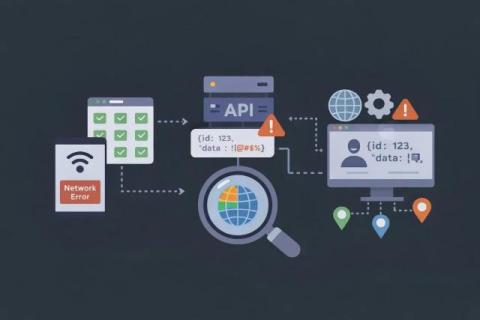
A Deep Dive into Synthetic API Monitoring

Consider this scenario: Your mobile app shows “Network Error” to 30% of users. Your dashboard shows that all of your servers are green. Your support team is quite busy. After four hours of feverish searching, you discover an issue. One of your 47 microservices is responding with a 200 OK status but returning malformed JSON that crashes client applications.

Synthetic Monitoring & WooCommerce: Detecting Hidden Failures

WooCommerce powers a massive portion of the internet’s commerce layer, largely because it looks simple. Install a plugin, connect Stripe, choose a theme, and suddenly WordPress becomes a store. That perceived simplicity is also what makes WooCommerce fragile in production. WooCommerce stores are not single systems.

Easy-to-Use SSL Certificate Management Tool: The Complete Guide

Managing SSL certificates can feel complicated for many teams. It often involves remembering renewal dates, keeping track of certificate details, ensuring that websites stay secure, and avoiding costly downtime caused by expired or invalid certificates. While many people call these solutions “SSL certificate management tools,” most organizations do not need a full PKI automation platform.

Synthetic Application Monitoring: Proactive Strategy to Prevent Downtime

Imagine this: It’s three in the morning on Black Friday. Your phone appears with alerts, your online store’s checkout isn’t functioning properly. Your team is in a panic, sales are dropping by the minute, and social media is full of complaints from your clients. Determining that the problem is an expired third-party payment gateway means you’ve lost hours of sales and your customers’ trust.

Mobile App Synthetic Monitoring enables proactive testing across devices and networks

In the mobile-first digital economy, your application’s performance is your brand’s frontline. Your backend is fast. Your APIs respond in milliseconds. Yet, somewhere on a slow network in a bustling city center, a user is staring at a frozen login screen. This scenario highlights a critical truth. App synthetic monitoring is the proactive discipline of simulating real user interactions—like app launches, logins, searches, and checkouts—from real devices and networks worldwide.

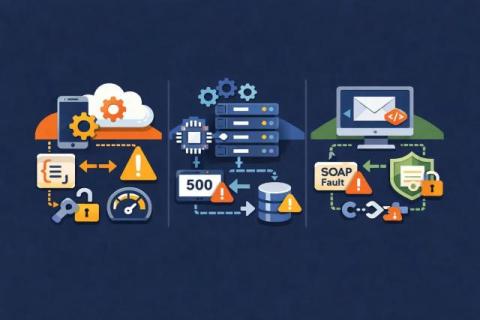
.NET Web API Monitoring: REST, ASP.NET & WCF Compared

Modern.NET applications rely on three primary Web API architectures: lightweight REST APIs, middleware-driven ASP.NET Core Web APIs, and contract-heavy WCF SOAP services. Each exposes functionality over HTTP, but each behaves very differently in production. More importantly, each architecture fails in different ways, which means teams must monitor them differently to maintain reliability, uptime, and predictable performance.

Synthetic End User Monitoring simulates complex user journeys across global environments

Traditional monitoring solutions provide valuable infrastructure metrics, they fundamentally lack the capability to understand what users actually experience. There is a significant technical gap between server-side metrics and client-side experience. Research shows that traditional monitoring fails to detect 52–68% of user-facing errors since they happen outside of the server infrastructure.

Best Certificate Monitoring Solutions With Slack/Teams Integration: The Complete Guide

SSL certificates expire silently. When they do, websites instantly break. Users see warnings. Traffic drops. Security trust is damaged. This is why businesses now rely on certificate monitoring solutions that send alerts before a certificate expires. A growing number of teams want these alerts directly inside Slack or Microsoft Teams, because that’s where their operations already work every day.