Operations | Monitoring | ITSM | DevOps | Cloud

What Is Automated Discovery and Dependency Mapping (DDM) and Why Do You Need It?

In a perfect world, your Configuration Management Database (CMDB) acts as the single source of truth for all your IT device inventory and the relationships between those devices. However, maintaining accuracy is easier said than done. That’s because the traditional method for provisioning and maintaining a CMDB is complex, unwieldy, and outdated the second it's updated. To keep up with the needs of a modern CMDB, an automated discovery and dependency mapping (DDM) solution is a must.

Closing the Gap: Deploying Automation the Right Way

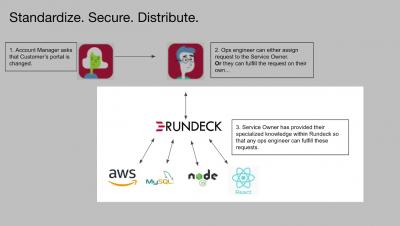
Automation in the enterprise is nothing new. Engineers have been working with automation tools and frameworks for decades. From configuration management tools, to continuous integration and delivery pipelines to cloud formation, you name it—automation is part of the fabric of nearly any technology use case in the business landscape. If the previous statement is true, then why does automation still seem to pair with so much manual work?

5 Tips for Helping Your Workforce Adapt to Automation

There has been a rapid incline in the use of automation in many day-to-day activities, making life a bit simpler. Whether it’s through the implementation of chatbots or automated reporting tools, automation has become a new norm. It’s meant to make workloads a lot easier, as well as improve efficiency. However, not everyone may see it that way. The simple notion of automation taking over your job can cause a lot of stress, anger, and/or anxiety.

Secure your hosts with CFEngine Build modules

Last year, we launched functionality for users to add policy for reporting data, compliance reports, promise types, and other code as modules. With CFEngine Build, users can manage and update their own policy, the default policy and any additional modules separately. This makes it very easy to utilize policy or other modules written by the CFEngine team, or other community members. In this post we will take a look at using some modules to improve the security of our infrastructure.

SecOps in a Post-Covid World: 3 Security Trends to Watch

By now, you’ve probably read loads of articles that discuss the COVID-19 pandemic’s impact on business, politics, the economy and much more.But what about SecOps? What permanent effects has COVID wrought on the way businesses secure IT assets? Let’s explore those questions by examining three key security trends that promise to endure long after the pandemic has finally receded.

CentOS 8 is end-of-life: Now what?

There were many reasons people came to use CentOS as an alternative Linux platform to Red Hat Enterprise Linux (RHEL). CentOS was originally built as a downstream release of RHEL, which was free to use without support. CentOS became the de facto standard for many organizations that did not want to use RHEL for production workload, since it’s basically the same thing, just rebranded.