Operations | Monitoring | ITSM | DevOps | Cloud

Kubernetes GPU Scheduling for MLOps and GPU Sharing

The default Kubernetes scheduler was built for stateless services: web servers, APIs, databases. It schedules a pod, checks that a node has enough of whatever resources were requested, and binds it. For CPU and memory, that model works fine. For GPUs, it falls apart in three specific ways. First, GPUs are treated as an opaque integer resource.

How the Vulnerability Management Lifecycle Runs from Discovery to Verified Fix

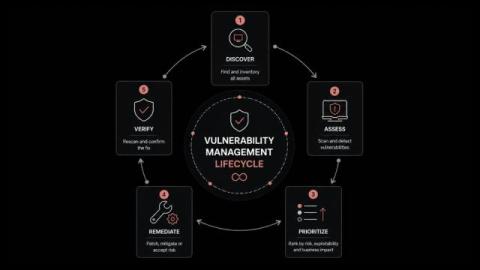
Who in your organization can say, without opening three separate systems, whether last month's critical findings are actually closed? A deployment record answers half of that. The other half needs a rescan, and the rescan often never happens. The vulnerability management lifecycle is that question written down as a repeatable process. It runs from knowing what you own through to proving a fix landed, and it restarts the moment it closes.

8 Best Vulnerability Management Tools for Scanning, Prioritizing and Patching

A vulnerability scanner will hand you more work in one afternoon than the service desk can clear in a quarter. Thousands of findings arrive ranked by severity, every one of them technically actionable. Fixing them takes weeks, and in most organizations the backlog grows faster than it clears. That gap is what this guide is about. Every tool here scans reliably, scores findings sensibly and reports clearly.

Redgate Monitor's Product Updates - August 2026

This month, we wanted to spotlight some of the new cloud features that shipped last month and are enabling teams to keep pace with database estates that increasingly span multiple platforms and providers. We also have updates for Monitor Enterprise users that improve alerting for permission changes. Here's what's new in Monitor.

Are AI Coding Agents the New CI Bottleneck?

AI coding agents are moving the software bottleneck from writing code to validating it. Here’s what that means for CI infrastructure, capacity planning, and software quality. This topic is explored in more detail in “CI Can’t Keep Up With AI,” an episode of Uplink, where Aditya “JP” Jayaprakash, Co-founder and CEO of Blacksmith, discusses how AI coding agents are reshaping CI and software delivery. Table of Contents.

A practical guide to risk-based code review

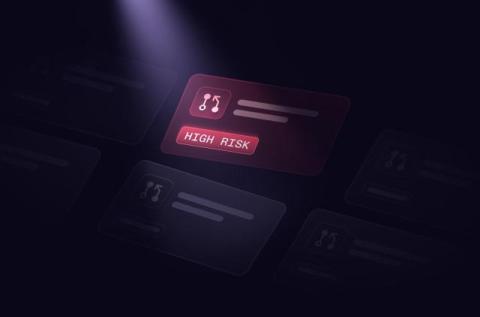
Traditional code review no longer keeps pace with how much code teams are shipping. Risk-based code review is the response: instead of giving every pull request the same scrutiny, you route human attention by risk, letting low-risk changes ship with light or automated review and reserving deep human review for the changes that are expensive to get wrong.