Operations | Monitoring | ITSM | DevOps | Cloud

Activating Connected Experiences in 60s

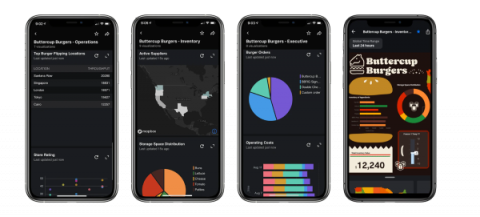
Looking to get started with Splunk Mobile and Connected Experiences? You’ve come to the right place. This video will show you all the steps you need to take to deploy Connected Experiences to your entire organization. If you’re using SAML, no worries. MDM, it works! Come one, come all and learn to unlock the power of Splunk Connected Experiences in your own organization.

Reducing the Carbon Footprint of the Manufacturing Industry with the Power of Data

As the world watches the UN Climate Conference unfold in Glasgow, the manufacturing industry is under increased pressure to reduce its CO2 emissions. Companies are stepping up to the challenge, but much more remains to be done to keep climate change under control. Digitalization is part of the solution. The Power of Data has much to offer such as environmentally friendly manufacturing, efficient logistics, improved building and energy management and optimized renewable energy production.

Why Use OpenTelemetry Processors to Change Collected Backend Data

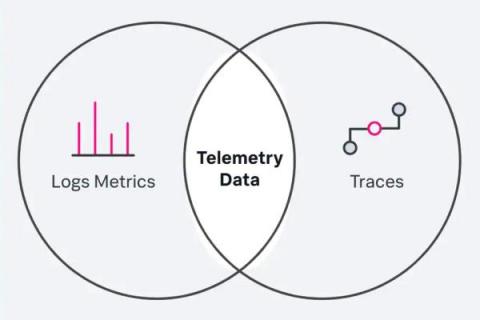
When managing distributed environments, we find ourselves challenged with looking for different ways to understand performance better. Telemetry data is critical for solving such a challenge and helping DevOps and IT groups understand these systems’ behavior and performance. To get the most from telemetry data, it has to be captured and analyzed, then tagged to add relevant context, all while being sure to maintain the security and efficiency of user and business data.

DevOps Release Management Best Practices

Because DevOps practices can bring great speed and reliability to the software delivery lifecycle, release management can seem daunting. But, the improved visibility and collaboration brought about by DevOps can also help with the release management process. While the general concept of release management doesn’t really change between ITIL (IT Infrastructure Library) and DevOps, there are a few ways that the process differs.

Writing Ansible Playbooks for New Terraform Servers

Over the past few years, cloud computing has enabled agile, dynamic management of software and hardware components, on-demand. Nowadays, we can define our desired infrastructure in as little as a few lines of code, and we can provision real servers on cloud providers like AWS or Azure. Terraform is an open-source infrastructure-as-code (IaC) tool that has become the de facto solution for provisioning one aspect of those components.

Splunking Netflow with Splunk Stream - Part 2: Basic Netflow Analytics

Hi there, I guess that if you are here, you've already read the first part of this series and want some help to quickly get value from your NetFlow data, building trend analysis and advanced analytics with long term data (i.e months), in addition to playing with real-time data. You can take advantage of Splunk’s super flexible schema on read architecture to exploit your real-time data from the very first moment you get the data in.

Site Reliability Engineer (SRE) Roles and Responsibilities

Software development is getting faster and more complex – frustrating IT operations teams more than ever. So, DevOps gained popularity in order to combat siloed workflows, decreased collaboration and a lack of visibility. While establishing a culture of DevOps has helped teams collaborate better and deliver reliable software faster, DevOps teams don’t necessarily have someone specifically dedicated to developing systems that increase site reliability and performance.

An Overview of Microsoft Azure Services

Microsoft Azure is the public cloud computing platform by Microsoft which offers software as a service (SaaS), platform as a service (PaaS) and infrastructure as a service (IaaS). It comprises more than 600 cloud services and supports varied operating systems, databases, and developer tools. And, even better, Splunk On-Call integrates with Microsoft Azure to help on-call teams improve incident response for Azure-based environments.