Operations | Monitoring | ITSM | DevOps | Cloud

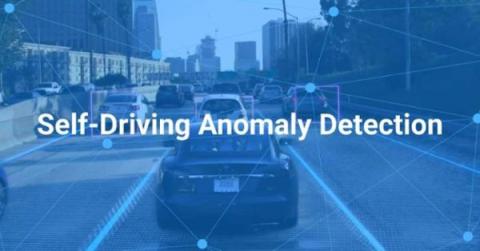
Self-Driving Anomaly Detection

Imagine driving on the freeway in a (partially) self-driving car like a Tesla. While you drive the car, you come across things you would expect like trees, lampposts and other cars but also things that don't belong there like trash floating around. Meanwhile, radars and sensors in the car are working hard to make sure you don't crash because of these things. If you see the freeway as your fast-changing IT environment, then all the things that don't belong there are anomalies.

The Top 10 Anomalies of the Last Decade

As a company known for our anomaly detection, we know a thing or two about spotting irregularities. So as we reached the end of 2019, we couldn’t help but think back on the 2010s and the anomalies that shook the world. Once we got to listing them, it really became tough to pick just 10. Ultimately, after much debate, we ranked them based on their impact, newsworthiness and how utterly unexpected they were.

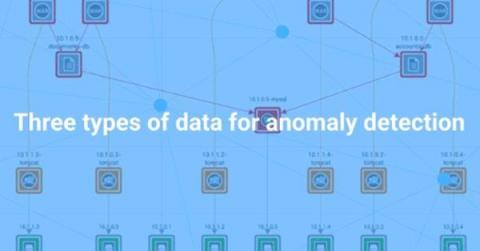
Three types of data for anomaly detection

As Chief Data Scientist here at StackState I’ve got a big interest in less likely to happen occurrences in data. These events are called anomalies. Every company with a considerable IT environment should be able to detect, solve and also prevent anomalies. Because anomalies can have a big effect on your day to day business.