Operations | Monitoring | ITSM | DevOps | Cloud

How Email Blacklist Monitoring Works

Email servers can be added to blacklists without any visible warning. When this happens, emails stop reaching inboxes and businesses lose communication reliability. Email blacklist monitoring solves this problem by checking your IP addresses and domains against global blacklist databases. This article explains the monitoring process in a clear, simple, and structured way, so you understand how it protects your deliverability and reputation.

Why Email Blacklist Monitoring Matters?

Email deliverability determines whether your messages reach inboxes or disappear without notice. When your domain or mail server appears on a blacklist, communication stops instantly, affecting customers, partners, and revenue. Blacklisting can happen silently, even to legitimate senders. Continuous email blacklist monitoring ensures that issues are detected early, keeping your reputation strong and your communication uninterrupted.

Why Email Servers Get Blacklisted?

An email server gets blacklisted when it's identified as a potential source of spam, malware, or suspicious activity. Blacklists use automated systems and user reports to flag servers that violate mailing or security standards. Once listed, legitimate messages may bounce, land in spam folders, or never reach recipients at all. Understanding why this happens is essential to prevent future listings and protect the sender's reputation.

What Is an Email Blacklist?

An email blacklist is a database that lists IP addresses or domains suspected of sending spam or malicious emails. Mail servers use these lists to decide whether to deliver or reject incoming messages. Understanding how blacklists work is essential for keeping your messages deliverable and your domain reputation intact.

What Is Email Blacklist Monitoring?

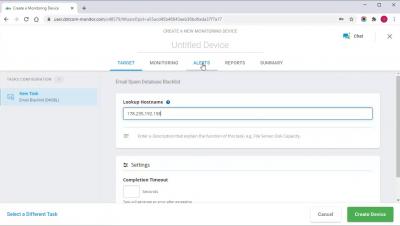
When legitimate emails start bouncing or disappearing into spam folders, the cause is often a hidden one: your domain or mail server has been blacklisted. Email blacklist monitoring is the process of continuously checking your domain and IP address against major spam-tracking databases. Its purpose is to detect blacklisting early, so you can act before it damages your communication, reputation, or revenue.

IP Blacklisting: Your Beginner's Guide

IP Blacklists contain ranges of or individual IP addresses ‌you want to block. A blacklist can be used in combination with firewalls, intrusion prevention systems (IPS), and other traffic filtering tools. With the recent developments in cyber security, organizations are increasingly relying on IP blacklisting to protect their networks.

ADS 11.2 - More than ordinary blacklists

Improve your security posture with community Indicators of Compromise and use reputation data to detect threats in encrypted traffic. On the digital battleground, it pays to stay on your toes, but there are ways to make the work easier. Flowmon ADS 11.2 brings you new and refined methods of avoiding known threats and learning from attacks carried out against others. Main news.