Operations | Monitoring | ITSM | DevOps | Cloud






How Web Application Monitoring Is Changing

Ivanti Unified Endpoint Management: Everything You Need to Know
Your organization’s employees depend on multiple devices, and each should be personalized to their business needs. However, managing those endpoints demands coverage of both the user experience and the device. With Ivanti, you gain that coverage with an integrated, total-picture management experience.

Failover Conf Wrapup
Failover Conf was held on April 21, 2020, online. The folks at Gremlin came up with the idea of a virtual conference about reliability after many in-person conferences started being postponed or canceled due to COVID-19. The conference was a lot of fun to attend. I’ll be sharing some of my thoughts on the event and the talks I was able to catch. The videos for the talks haven’t been posted yet, but I’ll update this post with links to them when they are.
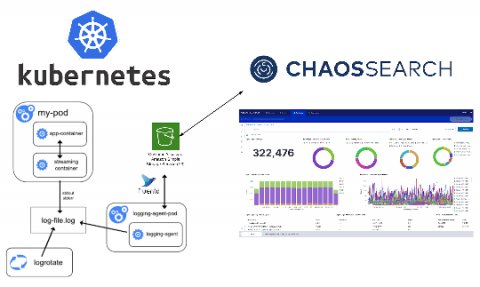
Kubernetes is eating the world; you can digest K8's plume
Innovation in hypervisor technology in the early 2000’s from both commercial and open source projects was the genesis for the public cloud as we know it today. Virtualization and Moore’s law, together with advances in storage technology, mobile and wireless, created a data explosion that continues to accelerate through today.

What's new in Ubuntu Desktop 20.04 LTS?
Well, here it is! Ubuntu is the world’s most popular open-source desktop operating system, and we think this is our best release to date. Ubuntu 20.04 LTS is an enterprise-grade, secure, cost-effective operating system for organisations and home users.

Ubuntu Server 20.04 LTS: stability, security and more
Ubuntu Server 20.04 LTS (long-term support) is here with enterprise-class stability, resiliency and even better security. As an LTS release, it will be supported by Canonical until 2025. However, customers can extend the support by an additional five years through the ESM (Extended Security Maintenance) service as part of their UA-I (Ubuntu Advantage for Infrastructure) subscription.
Ubuntu kernel 5.4: What's new with Ubuntu 20.04 LTS
Ubuntu 20.04 LTS has just arrived. The latest LTS comes with a new version of the Linux kernel – 5.4 – which brings a lot of exciting new features, faster boot times, enhanced performance and security. Additionally, the Canonical kernel team ran benchmark tests to validate the performance improvements of the new kernel. Defining which Linux kernel should be included in a long-term support release of Ubuntu is the essence of the work of the kernel team at Canonical.