Operations | Monitoring | ITSM | DevOps | Cloud

Why One Process Can Slow an Entire VDI Environment

When users report slow virtual desktops, the first instinct is often to check CPU or memory utilization. But what happens when those metrics look perfectly healthy, yet users across the environment are still complaining about slow application launches, lagging desktops and poor performance? In many cases, the bottleneck lies elsewhere. Storage is often overlooked during initial investigations, but in VDI environments it can have a disproportionate impact on the user experience.

Enterprise AI Governance Made Simple with Nexthink's AI Activation Hub

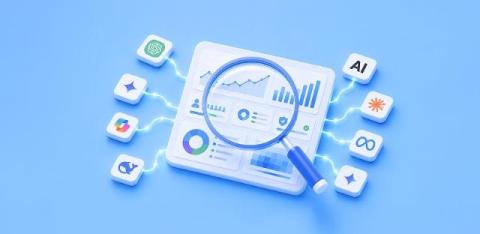
Over the past year, organizations have embraced AI at an extraordinary pace, and Nexthink AI Activation Hub powered by AI Drive has helped customers make sense of that transformation by helping organizations discover the growing wave of AI tools entering the workplace, rapidly triage and govern them, accelerate adoption of approved AI solutions, and measure the impact of AI across the enterprise.

The AI Factor You're Ignoring: Employee Behavior

One of the most important realizations emerging across enterprise AI governance discussions is that most risky AI behavior is not malicious. Employees are typically trying to work faster. They are trying to summarize documents, accelerate research, draft communications, analyze spreadsheets, or automate repetitive tasks. In many cases, employees may not fully understand how AI providers handle uploaded information, what data policies apply, or where organizational compliance boundaries actually exist.

Accelerating MTTR with New VDI Experience Enhancements

For IT teams supporting VDI environments, the hardest part of a support ticket is rarely the fix itself – it's figuring out where the problem actually lives. And in most cases, first-level support engineers don’t have access to both the present and historic VDI-specific insights needed to triage the problem, so these VDI tickets are quickly escalated to the VDI team.

What's New in Nexthink: Helping IT Drive Better Business Outcomes

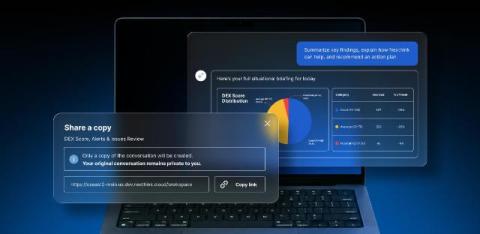
New Nexthink Infinity innovations empower IT to govern AI, automate remediation, and troubleshoot digital workplace issues faster, enabling faster action, smoother experiences, and stronger business outcomes. The future of IT requires more than actioning tickets. Modern IT teams are expected to safely enable AI, modernize infrastructure, improve employee productivity, and drive business outcomes in increasingly complex environments.

Let them watch the World Cup. Your network will thank you.

Every four years, workplaces around the world face the same dilemma. The World Cup kicks off, calendars mysteriously empty during match times, and IT teams brace for an invisible surge in traffic. Many employers try to block the streams and fight the inevitable. But what if the smarter business move is simply to accept reality? If your employees are going to watch the World Cup anyway, don't make them do it individually on their work laptops.

The Next Enterprise AI Challenge: The Multi-Model Workplace

For the last two years, enterprise AI strategy has largely focused on one thing: adoption. Organizations encouraged employees to experiment with ChatGPT, Claude, Copilot, Gemini, and dozens of emerging AI tools in the hope that productivity gains would naturally follow. CIOs approved pilots, departments launched AI task forces, and leaders pushed teams to integrate AI into everyday work as quickly as possible. But the enterprise AI conversation is beginning to change.

The Frictionless Workplace Isn't What You Think It Is: Beyond the Ticket

For many EUC and digital workplace leaders, the challenge isn't a lack of technology. It's understanding why workplace issues continue to surface despite years of investment in automation, AI, and digital transformation. Support teams are still dealing with high ticket volumes. Rollouts intended to improve employee experience can create new sources of disruption, and IT often struggles to understand what employees are experiencing until problems escalate into complaints, incidents, or support requests.