Operations | Monitoring | ITSM | DevOps | Cloud

Nexthink Workspace - Where DEX Work Happens

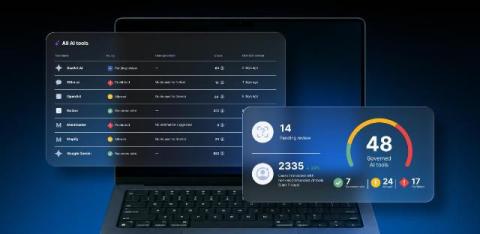
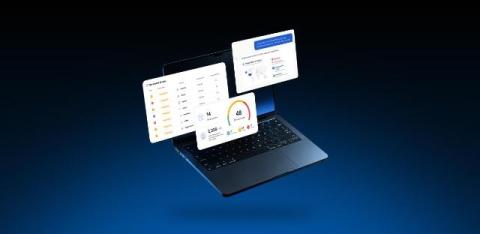
Workspace is the new space for managing DEX inside the Infinity platform. It brings signals, analysis, guided actions, personalized answers, and chat history into one clean and intuitive full-screen experience. Workspace turns everyday questions into insight and action so teams can investigate faster and make better decisions without complexity or technical query languages. Its enhanced reasoning engine is fully NQL certified, delivering accurate explanations and deeper context across every investigation.

The Hidden Operational Risk Financial Institutions Can No Longer Ignore

Why digital experience is now a regulatory priority In regulated industries like financial services, even minor technology friction can quickly become a regulatory risk. Gaps in visibility, slow systems, and inconsistent performance can trigger audit findings, SLA breaches, and increased compliance scrutiny.

The 5 Pillars of DEXOps Explained: Turning Digital Experience into Business Impact

Most IT leaders agree on one thing: digital employee experience matters. What is less clear is how to operationalize it in ways that deliver measurable business outcomes. Many organizations invest in tools and dashboards, launch experience initiatives, and even measure sentiment. But without an operational model that connects employee experience to core business objectives, IT teams often stay stuck in reactive support. DEXOps changes that.

Productivity in the Age of AI - DEXOps 1:1 with Scott Pope

In the first of a new rotating expert series, Scott Pope (Nexthink's Director of Value Advisory) joins to explore DEXOps, productivity, and why DEX has firmly entered the boardroom conversation. We talk about how the market has evolved, what AI is really changing, how to communicate value to senior leaders, and the story behind the DEX Productivity Report. Also: Arsenal. Briefly. And yes, Tom still needs to update the show music. Hang in there.

AI Is Everywhere, So Why Isn't It Delivering Business Value?

Enterprises have never had more access to artificial intelligence and less certainty about what it is delivering. Generative AI tools now sit inside everyday workflows, embedded across productivity software and operational systems employees rely on for critical work. They generate insight at scale, reveal patterns more clearly than before, and offer earlier visibility into potential risk.

What is DEX Ops?

For decades, IT operations have been built around incidents, SLAs, and ticket closure rates. Success has been defined by how quickly tickets are resolved and whether service levels are met. But the modern digital workplace has changed. Employee productivity, digital adoption, collaboration quality, and business performance depend on far more than ticket metrics. A device that “works” but performs poorly still erodes productivity.

Same Work, More Windows: Why AI Isn't Paying Off Yet (w/ Anthony Firmin)

In the first episode of a NEW ERA for the DEX Show, Tom (that's right, just Tom ) welcomes back AI and digital transformation leader Anthony Firmin to unpack the reality of enterprise AI adoption. Drawing on hard-won, real-world experience, Anthony explores why so many organisations are stuck in the “messy middle” of AI, where usage rises but value doesn’t. The conversation digs into trust, experience debt, shallow versus deep AI, and why “same work, more windows” is an early warning sign leaders ignore at their peril. It’s a grounded, human-centred look at what it really takes to make AI improve work, not just change it.

Why Does Digital Employee Experience (DEX) Matter for Business Outcomes?

A single disengaged employee can cost an organization approximately $2,246 annually. In today’s technology-driven workplaces, that cost increasingly comes from technology friction – the everyday delays, disruptions, and inefficiencies caused by poorly performing tools. “There’s not really any businesses today that are not fundamentally technology businesses now.”⁠⁠Dan Anthony, CIO at FedNow.