Operations | Monitoring | ITSM | DevOps | Cloud

What Is an SAP System? A Plain-English Explanation

An SAP system is an installed instance of SAP’s business software that runs an organization’s core processes, like finance, supply chain, and HR, on a single, shared database. If you’re new to a company that runs on SAP, this guide explains what that actually means: what the software does, what an SAP system is made of, and why companies talk about DEV, QAS, and PRD like they’re three different things. They are.
Sponsored Post

No SAP Expertise? No Problem. Automation Just Got Easier

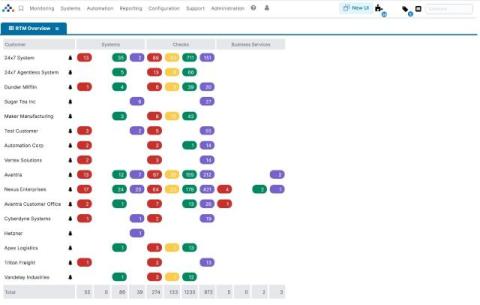
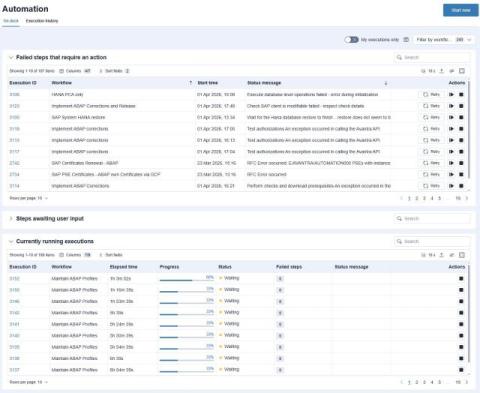
Avantra 21 introduced the concept of Automation workflows. By Avantra 23, compatibility with Ansible was added. Along the way, Avantra became the tool SAP teams reached for when they wanted system copies, refreshes, and backup orchestration to just run - predictably, on a schedule, without a senior engineer babysitting them. So, automation isn't new to Avantra users. Avantra made automation for SAP practical to deploy, predictable in operation, and easier to maintain.

Are You Audit-Ready? SecOps for SAP in the Age of Constant Change

Drift Happens. Six months ago, your SAP landscape passed audit cleanly. Today? You couldn’t say for certain without a manual scramble across Basis, security, and infrastructure teams to reconstruct what’s true right now. You did exactly that for the audit, after all. That gap between “was compliant” and “is compliant” is where most SAP security programs quietly fail.

SAP Cloud ERP in 2026: What's Included, What Isn't, and What It Means for Your Migration

Since our firm first published the Cloud ERP (then it was “RISE”) F.A.Q., a lot has changed with SAP, the market, and adoption trends. It’s worth a revisit: how Cloud ERP is packaged and sold by SAP has changed significantly, as has our guidance for customers adopting the solution. Perhaps the most notable change is the maturity of the Cloud ERP Private and Public solutions.

Beyond the Firefight: Building the Foundation for an Autonomous Enterprise

This summer, we’re pulling back the curtain on one of the most important shifts happening in enterprise SAP right now — the move from reactive operations to a fully autonomous foundation. It’s a journey we know well, and over the next several weeks, we’re going to show you exactly how to make it. But first, let’s talk about why it matters. It’s 2 AM. Your pager goes off.
Sponsored Post

Avantra 26: A Breath of Fresh Multi-Tenant AIR

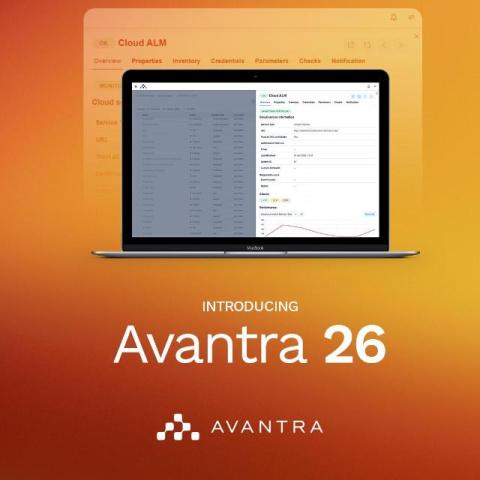
There's a crackle and spark in the air at Avantra lately, and I'm so pleased to be writing this bit on what we've accomplished with the Avantra 26 release. Automated root cause analysis, multi-tenant management support for Cloud ALM, enhanced security operations and financial operations monitoring BTP - it's all there, and more. It's an exciting and innovative release for Avantra!
Sponsored Post

Clouds Without the Fog: Unified Control for Hybrid SAP

SAP customers with complex SAP know the challenges of managing multiple landscapes well. While classic tools like SAP Landscape Management (LaMa) and Focused Run served us well for years, they were built for a static, on-premises world. Now, with the 2027 end-of-support deadline for legacy solutions looming, the "fog" of hybrid management is getting thicker.

7 Proven Steps to Maintain Operational Continuity During S/4HANA Migration

Migrating to SAP S/4HANA is one of the most consequential system changes your organization will undertake. The technical complexity alone is significant. But the real risk is operational: maintaining uninterrupted service delivery while transforming the core systems your business depends on. Failure to manage this well causes outages, data inconsistencies, user disruption, and cost overruns. None of those are acceptable outcomes. The good news is these risks are manageable.

Stop Guessing, Start Fixing: AI Root Cause Analysis

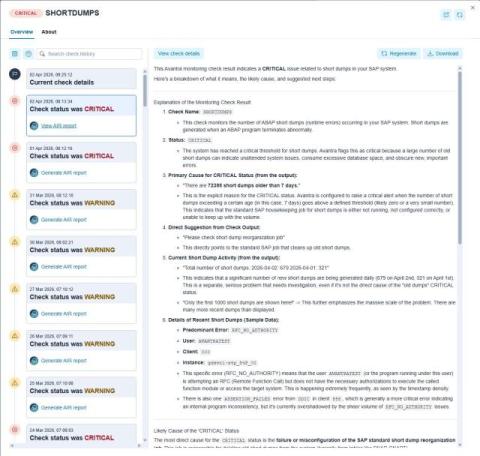
Automating root cause analysis is often regarded as the holy grail of IT operations. A solution capable of automatically identifying issues, resolutions and even prevention. Performed correctly, automated root cause analysis accelerates MTTI (Mean Time to Identify) and MTTR (Mean Time to Resolution). But for many platforms, this goal remains elusive: complexity, differences between deployments and different architectures make automating root cause challenging.
Sponsored Post

Cost Control in SAP BTP: The Critical Need for Automation

The cloud is the cheapest processing you can buy... until you get the bill! Unfortunately, Cloud service costs are notoriously opaque when it comes to transactional and operations costs. The results can be unexpected bills and even damage to the ROI of cloud programs. SAP BTP is no exception, but it doesn't have to be this way. Good FinOps discipline is readily available for BTP - and beyond avoiding "bill shock" such monitoring is just good operational hygiene, preserving budget and resources for productive investment.