HTTP is the backbone of all API-centric, modern web apps. APIs are the place where the core business logic of an application lives. As a result, developers spend a lot of time optimizing the API business logic. This article addresses a Node.js developer’s dilemma while debugging an HTTP API request. We take a sample Node.js/Express.js-based HTTP service to demonstrate a new way of debugging Node.js applications using the Lightrun observability platform.
I’m Donatien, co-founder of Blecon, where we provide device connectivity to the Internet using only Bluetooth. In my previous lives working in the IoT division at Arm and my previous start-up, our teams constantly wrestled with debugging firmware bugs on remote devices.
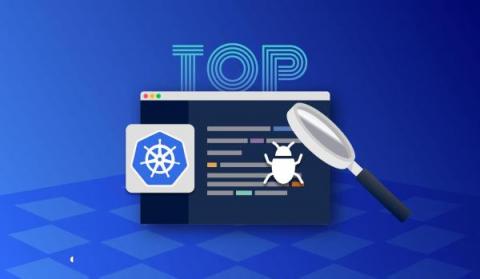
Kubernetes is the most popular container orchestration tool for cloud-based web development. According to Statista, more than 50% of organizations used Kubernetes in 2021. This may not surprise you, as the orchestration tool provides some fantastic features to attract developers. DaemonSet is one of the highlighted features of Kubernetes, and it helps developers to improve cluster performance and reliability.
Debugging is a frequently performed task not just for general software developers but also for game developers. During a debugging process of a game, most issues can be identified by simulating a code walkthrough.
Serverless backends have different monitoring challenges when compared with traditional applications, mostly due to the distributed and proprietary nature of serverless. Making monitoring and debugging efficient for serverless requires a unique set of tools and techniques. In this article, we’ll discuss the challenges of debugging serverless backends and how to utilize third party tools to improve the monitoring process.
Firmware update capability has become a must-have for most devices. Whether to add new features after launch, fix bugs, or urgently patch a security hole, firmware updates gives modern teams the flexibility they need to move fast and react to a changing environment. I’ve written at length about firmware updates in the past, including on Interrupt with a Firmware Update Cookbook and a post about code signing, and even recorded a webinar on the topic.
In the old days, the most senior members of an engineering team were the best debuggers. They had built up such an extensive knowledge about their systems that they instinctively knew the right questions to ask and the right places to look. They even wrote detailed runbooks in an attempt to identify and solve every possible issue and possible permutation of an issue.