Operations | Monitoring | ITSM | DevOps | Cloud

Achieve Optimal Performance with Nginx and Micro-Caching

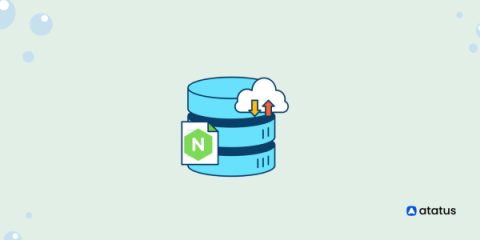
The word "cache" is used in many different contexts. Typically, a cache is a small chunk of data stored locally for quick access. In this case, it’s about computer caches, i.e., the data stored in memory. Micro-caching is a technique where a programmer uses this cached data to do some quick computations, which can lead to some amazing solutions. In micro caching, dynamically generated content is cached for only a brief period rather than full-page caching.

Value Stream Management: A Brief Explainer

Simply put, value stream management (VSM) is the practice of measuring and improving the flow of business value created by an organization’s software delivery efforts.By monitoring the software delivery life cycle end-to-end, organizations can better identify processes that add value and eliminate those that create waste to optimize the flow of work. Ultimately, this enables teams to move away from activities that don’t directly contribute to customer value and focus more on those that do.

A Data Engineers Journey to Modernizing with Cribl

Terry Mulligan, is a Splunk consultant with Discovered Intelligence (and Notre Dame’s biggest fan)— a data intelligence services and solutions provider that specializes in data observability and security platforms. He shares what Cribl has brought to the table for his organization and his clients, and how it’s changed their processes and the role of the Splunk data engineer.

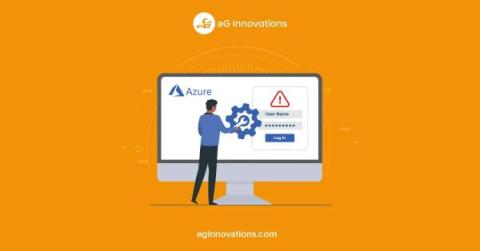
Setting up better logging in Azure Functions

We have been using Azure Functions for years. Being able to easily deploy and run code on both Azure App Services and real serverless has been a killer feature for all of our asynchronous jobs and services. Unfortunately, the logging approach provided as part of the default template is not ideal. In this post, I'll introduce you to the first steps we take in all of our existing and new function apps to improve logging. A quick note about the Azure Functions runtime.

Troubleshooting Azure Virtual Desktop (AVD) Issues through Logon and Beyond

Today, I’ll be covering troubleshooting Azure Virtual Desktop (AVD) issues. I’ll cover the common causes of problems beyond logon and how you can monitor and troubleshoot to identify the root-causes of issues and how to resolve them resolve them. For information on troubleshooting logon problems and slow logons, please see my previous article: Troubleshoot Slow Azure Virtual Desktop (AVD) Logons.

Why public sector needs AI-powered observability: Cost savings, ROI, and analyst efficiency

Elastic Observability customers saw 243% ROI and $1.2 million in savings over 3 years For government and education organizations around the world, facilitating an efficient, reliable customer experience is essential when providing critical services and building trust with stakeholders. As technology infrastructure expands and the IT landscape becomes a complex mix of private cloud, public cloud, and air-gapped environments, the ability to see across all systems and data is challenging yet critical.

Elasticsearch and LangChain collaborate on production-ready RAG templates

For the past few months, we’ve been working closely with the LangChain team as they made progress on launching LangServe and LangChain Templates! LangChain Templates is a set of reference architectures to build production-ready generative AI applications. You can read more about the launch here.

The Present and Future of Data Management Roles

In January 2015, I wrote about the future of professional database administrators (DBAs) in a three-part series of articles for Database Trends & Applications magazine. Back then I predicted we would see strong growth in DBA salaries because of the acute and persistent shortage of talent, very little means of training new DBAs, and a median age of DBAs creeping closer to retirement age with each passing year.

Build and evaluate LLM-powered apps with LangChain and CircleCI

Generative AI has already shown its huge potential, but there are many applications that out-of-the-box large language model (LLM) solutions aren’t suitable for. These include enterprise-level applications like summarizing your own internal notes and answering questions about internal data and documents, as well as applications like running queries on your own data to equip the AI with known facts (reducing “hallucinations” and improving outcomes).

Performance optimization techniques in time series databases: strings interning

VictoriaMetrics is an open-source time-series database (TSDB) written in Go, and I’ve had the pleasure of working on it for the past couple of years. TSDBs have stringent performance requirements, and building VictoriaMetrics has taught me a thing or two about optimization. In this blog post, I’ll share some of the performance tips I’ve learned during my time at VictoriaMetrics.