Operations | Monitoring | ITSM | DevOps | Cloud

The latest News and Information on APIs, Mobile, AI, Machine Learning, IoT, Open Source and more!

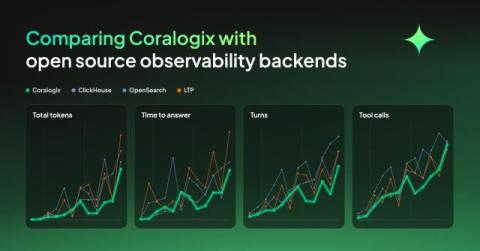
Comparing Coralogix with open source observability backends

We put the same OpenTelemetry data into four backends, Coralogix, ClickHouse, OpenSearch and a Loki, Tempo and Prometheus stack, then set an agent twelve questions against each one, from counting spans to working out what is wrong in a system it has never seen. Then we forced the agents to continue investigating until they got to the right answer. In this experiment, what separated them was the time, tokens, tool calls and turns it took to get there.

Featured Post

AI Is Making Infrastructure Easier to Create and Harder to Operate

AI is rapidly changing the economics of software engineering. Tasks that once required hours of engineering effort can increasingly be completed in minutes. An AI agent can write an application, generate Terraform, produce Kubernetes manifests, configure a CI/CD pipeline, and interact directly with cloud APIs. For infrastructure teams, this sounds like an enormous productivity win. And on Day 1, it is. But generating infrastructure has never been the hardest part of running it.

6 Best Jibble Alternatives for Contract and Blue-Collar Workforce Attendance (2026)

Most "best Jibble alternatives" roundups rank tools by G2 review count and feature checkboxes, which works fine for a remote consulting team deciding between Clockify and Toggl Track. It breaks down fast for a UAE facility management company running cleaning crews across a dozen client sites through two different manpower agencies, where the actual question is who gets verified at the punch, what happens when a site loses signal, and whether one platform can keep both agencies' workers straight without a supervisor cross-checking a spreadsheet by hand.

What Is a White Label SSP and Who Should Use One?

A white label SSP platform lets publishers, ad networks, and programmatic businesses run sell-side advertising infrastructure under their brand. Rather than build an entire supply-side platform from scratch, they can use existing technology to manage inventory, connect demand, run auctions, and track revenue. This model suits companies that need more control than a standard hosted platform can provide. It works particularly well for ad networks creating branded monetization products, publishers managing complex supply, and AdTech teams looking to expand their technology stack.

Bot Traffic: Why Your Analytics and Your Server Log Show Two Different Websites

Your analytics says 412 visitors last month. Your hosting panel says 38,000 requests. Neither number is broken, and most of the gap between them has a name. Here's what's going on, and how to measure it on your own site in fifteen minutes.

How AI Agents Work in a Software Factory

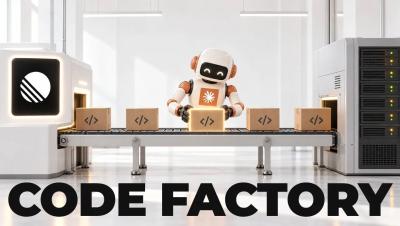
I built a small software factory: I file a Linear ticket, and a coding agent spins up in its own cloud sandbox, fixes the bug, pushes a branch and reports back. I can watch it work or take over from my laptop using my normal dev setup. In this video I walk through every piece of it in plain terms, from ticket to pushed branch, and explain why I made each decision so you can build your own.

AI Agents Hacked 395 Organizations. How Do You Stop Them?

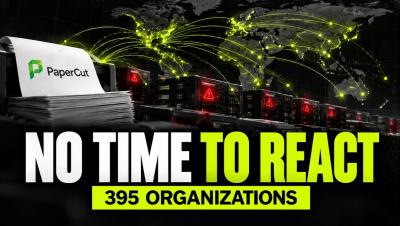
AI agents just changed the speed of cyberattacks. Are security teams ready? In a massive AI-orchestrated cyberattack, hundreds of autonomous AI agents exploited vulnerabilities in PaperCut software, compromising 440 servers across 395 organizations in 48 countries. But the bigger question isn't how these attacks happened. It's how human security teams are supposed to respond when attacks move faster than they can react.

The Growing Divide Between Digital Simplicity and Real-World Complexity

A banking app can approve a transaction in seconds. An AI assistant can produce a detailed report from a single instruction. Yet correcting a banking error or verifying an AI-generated report can take hours. This contradiction is becoming more visible as digital services grow easier to operate. Interfaces require fewer steps, but the processes behind them involve increasingly complicated systems, decisions, and responsibilities. The question is whether technology is eliminating complexity or simply moving it somewhere users cannot see.

Your AI bill is higher than it should be. Here's why.

For IT leaders, managing AI costs isn't simply about cutting usage. It's about understanding what's driving consumption in the first place, from tokens and context to system prompts and generated output. As organizations move from experimenting with AI to deploying it at scale, AI cost optimization is becoming an IT governance problem, not just a developer problem.