Operations | Monitoring | ITSM | DevOps | Cloud

The latest News and Information on DevOps, CI/CD, Automation and related technologies.

A guide on scaling out your Kubernetes pods with the Watermark Pod Autoscaler

While overprovisioning Kubernetes workloads can provide stability during the launch of new products, it’s often only sustainable because large companies have substantial budgets and favorable deals with cloud providers. As highlighted in Datadog’s State of Cloud Costs report, cloud spending continues to grow, but a significant portion of that cost is often due to inefficiencies like overprovisioning.

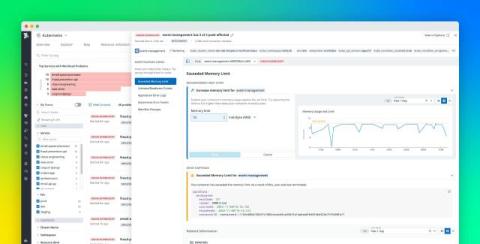
Kubernetes autoscaling guide: determine which solution is right for your use case

Kubernetes offers the ability to scale infrastructure to accommodate fluctuating demand, enabling organizations to maintain availability and high performance during surges in traffic and reduce costs during lulls. But scaling comes with tradeoffs and must be done carefully to ensure teams are not over-provisioning their workloads or clusters. For example, organizations often struggle with overprovisioning in Kubernetes and wind up paying for resources that go unused.

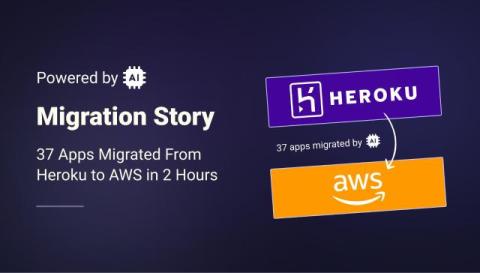
How AI Helped To Migrate 37 Apps From Heroku To AWS Under 2 Hours

Startups relying on Heroku often hit roadblocks as they scale. Rising costs, technical limitations, and lack of control over infrastructure force many to explore alternatives. One such startup recently migrated 37 applications from Heroku to AWS using Qovery’s DevOps AI Migration Agent. Here’s how they accomplished this migration in less than two hours, saving days of manual work.

AWS Vs. Azure: How To Choose The Right Cloud Provider

AWS and Azure are considered rivals in the cloud computing industry. Both offer similar services, including cloud storage, computing, container services, databases, and more. Yet, they have different strengths and weaknesses, which makes them competitors. Here’s a closer look at AWS vs. Azure to help you find the ideal match.

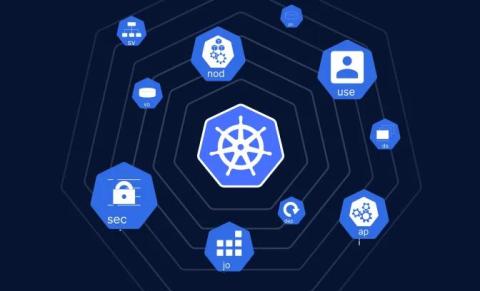
Kubernetes is Not Just a Platform - It's a Whole Ecosystem

As someone who is building a platform that is intended to make Kubernetes operations easier for everyone––I’ve learned a lot about production Kubernetes operations. The main thing I’ve noticed folks getting wrong, is that it isn’t simply a platform, it’s an entire ecosystem.

What are Ephemeral Environments?

Development teams and product managers have many variables that affect their daily processes, but perhaps the most impactful is the nature of their development environment. Having a proper development environment can fundamentally change the efficacy of an entire engineering team, unlocking incredible productivity and iterative development at scale.

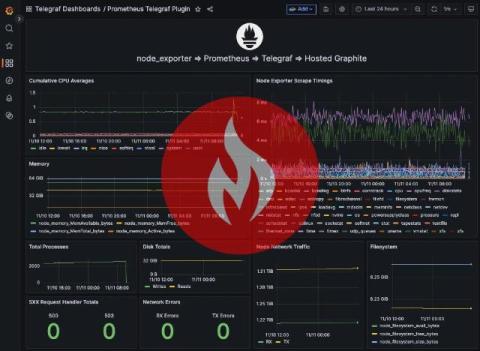
Simple Guide to Converting Prometheus Metrics to Graphite Using Telegraf

Monitoring with Graphite is often easier than with Prometheus because it uses a simple, hierarchical naming system that's intuitive to manage. Its storage model is also designed for long-term data retention without complex setups, which is perfect when historical data matters. By converting Prometheus metrics to Graphite, you streamline your monitoring to one consistent format, reducing the hassle of juggling multiple systems.