Operations | Monitoring | ITSM | DevOps | Cloud

The latest News and Information on DevOps, CI/CD, Automation and related technologies.

Azure API Management monitoring

Azure API Management is a Microsoft Azure cloud-based solution that helps businesses effortlessly create, publish, secure, and analyze APIs (Application Programming Interface). APIs are the building blocks of any business and play an essential role in data exchange. Azure API Management monitoring is vital to enable the business to function seamlessly. It helps early problem detection, resource optimization, and data-driven decision-making to increase the quality of the API ecosystem.


What Are S3 Lifecycle Rules And When Should You Use Them?

Amazon Simple Storage (S3) has become a cornerstone in the world of cloud computing, offering scalable and secure object storage solutions for a wide range of applications. However, as data accumulates over time, managing it in an efficient manner becomes a challenge. This is where S3 Lifeycle Rules shine. These rules allow us to automate the transition of data between different storage classes and even schedule automatic deletions, which allows users to optimize costs and operational efficiency.

GenAI in production: how we built AI into CircleCI

In this episode, you’ll learn how to empower your team to do the most challenging thing when it comes to AI - getting started! Rob is joined by Kira Muehlbauer and Ryan Hamilton, two engineers who worked on building a groundbreaking feature at CircleCI called the AI error summarizer. Discover their insights into the process of building AI products, the challenges they faced, and the valuable lessons they learned along the way.

Top three scorecards every organization needs for operational efficiency

Efficiency has always been a goal for organizations, but recent economic headwinds have made it a priority. Budgets have been stretched especially thin recently, leading many organizations to focus on improving operational efficiency. Bugs, security incidents and unreliable services can all slow your organization down and distract from delivering on your priorities. Cortex helps you minimize these distractions with its scorecard feature.

Discover the Root Cause of Your Cloud Spend Issue

If you’re sick with a cold then measuring your body temperature is a wise move or maybe if things are really bad a visit to a doctor might result in testing vs. what are considered “normal” levels in order to diagnose the issue; seasonal flu or infection? To improve our health after picking up a bad bug, we do things that affect our situation back to normal levels once again where we can then declare ourselves healthy.

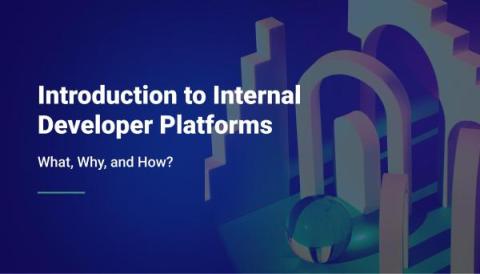
Introduction to Internal Developer Platforms: What, Why, and How?

For top-notch organizations, staying ahead of the curve is not just a choice; it's a necessity. To meet the growing demands of modern development, organizations are increasingly turning to Internal Developer Platforms (IDPs) as a solution to fine-tune their workflows. This article aims to demystify IDPs, shed light on their benefits, and guide you on how to embark on your IDP journey.

Why Your Load Balancer Should Be Fast & Flexible

The intersection of economic uncertainty and digital transformation presents a unique challenge for businesses. With the fear of a recession looming overhead, there’s no doubt that choppy waters await, but what does this mean for IT when tech spending can significantly impact the bottom line? While IT spending is a priority for many, businesses are still seeking ways to reduce non-essential spending and upgrade outdated infrastructure.

Advanced Access Controls with Mattermost Enterprise Edition

While some smaller companies may only need to use standard access controls to shore up systems, large organizations — particularly those with strict security, confidentiality, and compliance requirements — often require advanced functionality that gives them more authority over which users can access what systems and when.

What Happens to DevOps when the Kubernetes Adrenaline Rush Ends?

Kubernetes has been around for nearly 10 years now. In the past five years, we’ve seen a drastic increase in adoption by engineering teams of all sizes. The promise of standardization of deployments and scaling across different types of applications, from static websites to full-blown microservice solutions, has fueled this sharp increase.