The latest News and Information on Containers, Kubernetes, Docker and related technologies.
Welcome to the Civo update for September 2021. In case you missed the big news... this week we successfully launched our first region in Frankfurt, Germany. Plus we announced our new strategic partner, THG Ingenuity, who invested $2 million into the company. This will allow us to quickly invest in our infrastructure, including more regions across the globe throughout the next 12 months.
Internet-facing applications are some of the most targeted workloads by threat actors. Securing this type of application is a must in order to protect your network, but this task is more complex in Kubernetes than in traditional environments, and it poses some challenges. Not only are threats magnified in a Kubernetes environment, but internet-facing applications in Kubernetes are also more vulnerable than their counterparts in traditional environments.
In this blog, we will cover the various requirements you need to meet to achieve NIST 800-53 compliance, as well as how Sysdig Secure can help you continuously validate NIST 800-53 requirements for containers and Kubernetes. NIST 800-53 rev4 is deprecated since 23 September 2021 Read about the differences between versions down below →
It is a super exciting day! Finally, you can invite your friends/team/colleagues (pick one) via the web console.
We’re happy to announce that our new mainland Europe datacenter region in Frankfurt, Germany is now live and ready for use by all Civo customers. This will sit alongside our existing New York City and London regions, with a location in India planned by the end of this year, and more in 2022.
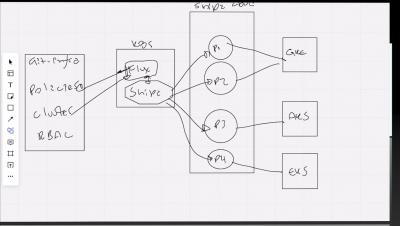
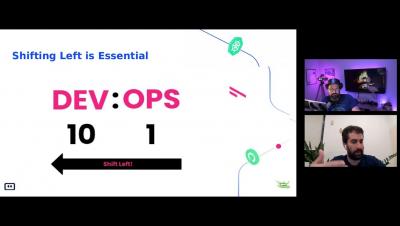
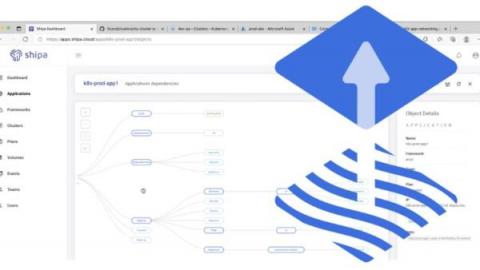
As you scale microservices adoption in your organization, the chances are high that you are managing multiple clusters, different environments, teams, providers, and different applications, each with its own set of requirements. As complexity increases, the question is: How do you scale policies without scaling complexity and the risk of your applications getting exposed?
In this article, we’ll discuss the potential pitfalls that we came across when configuring ECS task definitions. While considering this AWS-specific container management platform, we’ll also examine some general best practices for working with containers in production.