The latest News and Information on Containers, Kubernetes, Docker and related technologies.
We recently covered some of the complex decisions and architecture behind Cycle’s brand new interface. In this final installment, we’ll peer into our crystal ball and glimpse into the future of the Cycle portal. Cycle already is a production-ready DevOps platform capable of running even the most demanding websites and applications. But, that doesn’t mean we can’t make the platform even more functional, and make DevOps even simpler to manage.
Kubernetes has become the de facto standard for container orchestration, offering powerful features for managing and scaling containerized applications. In this guide, we will explore the various aspects of Kubernetes scaling and explain how to effectively scale your applications using Kubernetes. From understanding the scaling concepts to practical implementation techniques, this guide aims to equip you with the knowledge to leverage Kubernetes scaling capabilities efficiently.
Containers have gained significant popularity due to their ability to isolate applications from the diverse computing environments they operate in. They offer developers a streamlined approach, enabling them to concentrate on the core application logic and its associated dependencies, all encapsulated within a unified unit.
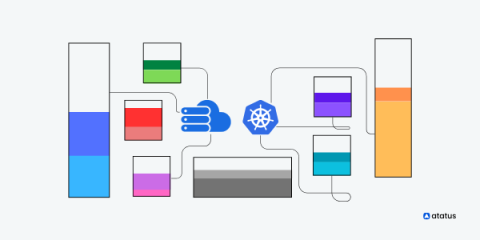
Kubernetes has emerged as a cornerstone of modern infrastructure orchestration in the ever-evolving landscape of containerized applications and dynamic workloads. One of the critical challenges Kubernetes addresses is efficient resource management – ensuring that applications receive the right amount of compute resources while preventing resource contention that can degrade performance and stability.
Containers are an amazing technology. They provide huge benefits and create useful constraints for distributing software. Golang-based software doesn’t need a container in the same way Ruby or Python would bundle the runtime and dependencies. For a statically compiled Go application, the container doesn’t need much beyond the binary.