
Operations | Monitoring | ITSM | DevOps | Cloud

How we made vulnerability fixes review-ready with Agentic Pipelines

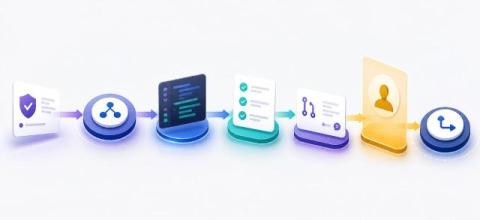
Routine vulnerability fixes are rarely difficult in isolation. The interruption that they cause is the problem: pick up the ticket, trace the dependency, update the package or image, regenerate files, run the checks, open the pull request, then return after deployment to close the loop. That repeated handoff was a good candidate for automation with agentic pipelines. The goal was simple: start the day with a tested pull request instead of another ticket to pick up.


Introducing JFrog Preview: Getting New Capabilities Into Your Hands, Faster

TLDR: “Preview” isn’t a lightweight version of GA, and it isn’t a beta with a new name on it. It just changes the timing and access. You’ll see new JFrog capabilities the day they’re ready for real use, not the day they’re ready for a press release. We’re starting at swampUP 2026. As we know, AI has changed the speed of software development and delivery. Work that used to take three months now takes weeks.

Your SBOM is already out of date

MIT and Apache 2.0 are the easy licenses. Generally, they let you do what you want. Copyleft licenses are the ones that come back to ask questions later, especially once you're generating revenue off the component. This video covers why license compliance gets challenging, and what actually keeps it under control: The goal isn't avoiding open source. It's knowing what's actually in there before a license or a vulnerability surprises you.

The Cyber Resilience Act isn't just for hardware

There's a common assumption that the EU Cyber Resilience Act is a hardware and IoT manufacturer concern. Actually, it affects any SaaS company selling into the EU too, and that's a gap in awareness worth closing. This video covers what the CRA is actually there to do and what it means for your own software supply chain: Securing your customers' supply chain starts with being able to account for your own.

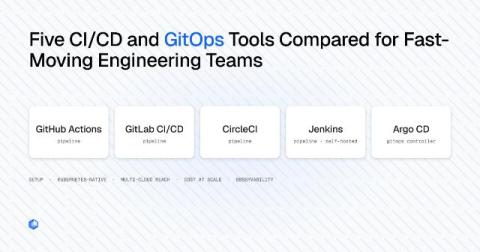
Five CI/CD and GitOps Tools Compared for Fast-Moving Engineering Teams

Your pipeline works. The build passes, the image lands in the registry, and the job turns green. Then someone asks why production still runs the old version, and you spend the next two hours determining whether the problem is a deployment configuration, a runner, an approval rule, or the runtime itself. That is the wrong-tool tax.

Integrating Virtual Identity Systems into Modern DevOps and CI/CD Workflows

Modern IT service management and cloud operations rely heavily on automated identity validation, multi-factor authentication (MFA) testing, and isolated staging environments. Deploying cloud infrastructure at scale requires continuous verification without linking critical operational workflows to physical mobile hardware. DevOps engineers building automated alert pipelines or synthetic monitoring suites often implement a dedicated virtual number to receive SMS payloads, isolate production keys, and validate two-factor authentication endpoints programmatically.

How to Route Package Traffic Through JFrog PTC With Zscaler: Setup and Policy Configuration

JFrog’s Package Traffic Controller (PTC) intercepts an organization’s public package traffic at the network layer and routes it through JFrog, so JFrog Curation policies and audit logging apply to every intercepted install without changing how developers work.