Operations | Monitoring | ITSM | DevOps | Cloud

FinOps: Measuring Cloud Waste

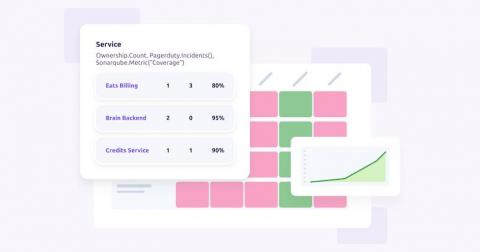
Cloud spend — which research shows makes up 51% of IT budgets — is a prime candidate for company cost savings initiatives with the potential to make a huge difference in gross margins. It’s also an area that has grown dramatically in the last few years due to digital transformation and a rise in cloud demand during the pandemic.

Automate Anomaly Detection for Time Series Data

This article was originally published in The New Stack and is reposted here with permission. Hundreds of billions of sensors produce vast amounts of time series data every day. The sheer volume of data that companies collect makes it challenging to analyze and glean insights. Machine learning drastically accelerates time series data analysis so that companies can understand and act on their time series data to drive significant innovation and improvements.

Getting started with the Node.js client library in InfluxDB

If you use Node.js, then the Node.js client library allows you to interact with the InfluxDB platform quickly, using a familiar language. Here, Zoe Steinkamp discusses some of the features of the Node.js client library to help you get started building awesome applications with InfluxDB even faster.

InfluxDB Cloud Native Collectors, Enterprise and Industrial IoT Examples - Part 1

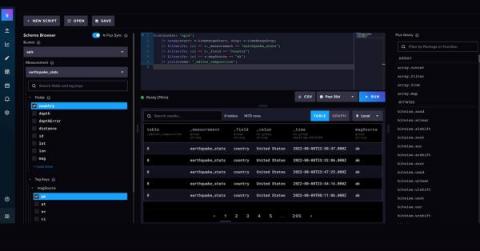
Learn how to deploy InfluxDB Cloud’s Native Collectors with Kepware and The Things Network. Did you hear about the new feature that just dropped to InfluxDB Cloud? Native Collectors! Starting with MQTT. There will be plenty of content to get you started with Native Collectors. So this blog series covers connecting two popular IoT-based platforms to InfluxDB Cloud using native Collectors. One Enterprise use case and one industrial use case.

Augmenting APM with InfluxDB for Faster Issue Resolution

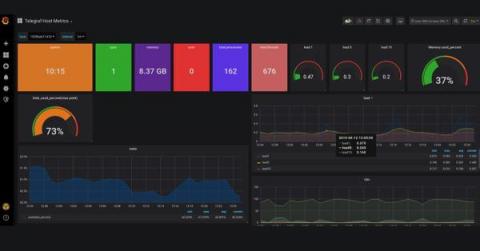
An enterprise IT company hosted a large industry event that drew attendees from all around the globe, including key technology leaders. Organizers knew that their IT offerings needed to be top notch to ensure attendees were happy when it came to event experience. The event application allowed attendees to browse and register for sessions at the event. So, organizers needed to be able to identify issues in real-time and fix them quickly.

What is a Data Warehouse? Benefits and Tips

A data warehouse (DW) is a centralized repository of data integrated from multiple systems.. This data is often cleansed and standardized before being loaded. Designed to support analytical workloads, a data warehouse can help organizations better leverage both current data and historical data to improve decision-making through the analysis of business processes and outcomes.