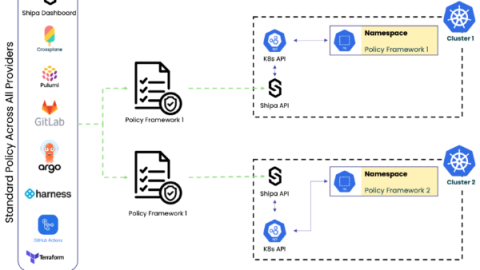
Things would be much simpler if we based all we built on Kubernetes on a single tenant type of architecture, meaning a single application running on the entire Kubernetes cluster with a single team who could access it. As teams scale Kubernetes adoption within their organizations, they see a different scenario instead, one with multi-tenant deployments performed by multiple teams and, most probably, across multiple clusters.
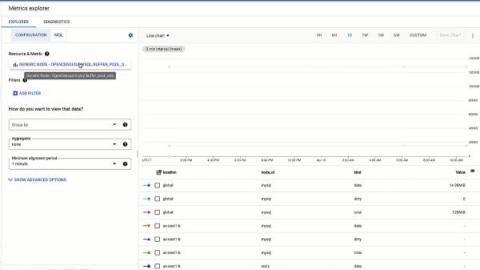
As more organizations adopt cloud-native technologies and microservices-based architectures, application troubleshooting is becoming increasingly complex. With so many moving parts in an environment that is both dynamic and distributed, it is difficult to get the full picture. Yet complete visibility is crucial in order to find and fix issues quickly — especially ones that impact the bottom line.
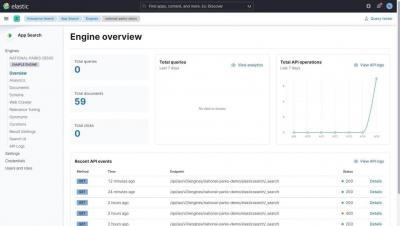
Elastic Enterprise Search 8.2 introduces new ways to ingest, search, and monitor data, giving developers the productivity benefits of using out-of-the-box capabilities along with the power and flexibility inherent in Elastic Stack tools. Operators also gain even more transparency for managing search experiences and observing search performance. For a visual walkthrough of some of the key capabilities in 8.2, check out the latest installment of What’s new in Enterprise Search on YouTube.
Rancher Desktop is an all-in-one solution for container management on your desktop workstation. It provides an easily maintained Kubernetes installation that runs on your local machine and streamlines setting up containerized workflows in development. Assembling a Kubernetes cluster from scratch can be daunting, because multiple components must work in unison. With Rancher Desktop, you get everything preconfigured with one software download.