Operations | Monitoring | ITSM | DevOps | Cloud

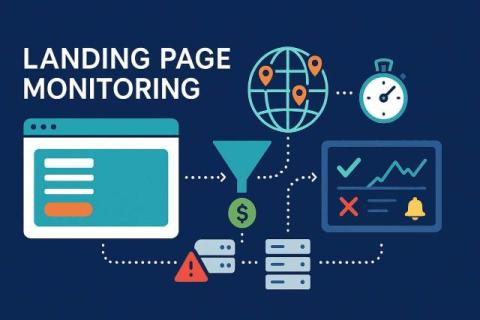
Landing Page Monitoring: Why, When and How to Do It Right

Landing pages are the lifeblood of modern marketing campaigns. They’re not the homepage, not the product catalog, not the blog—they’re the sharp end of the funnel where traffic from ads, emails, and social clicks is supposed to turn into revenue. A landing page is where a $50,000 media buy either pays off or evaporates.

Synthetic Monitoring for Vibe Coded Apps: Why You Need It

Not all software is the product of rigid planning, extensive documentation, and carefully designed test pipelines. Some of it emerges in bursts of intuition, created by small teams or individuals who prioritize momentum over process. This is what many engineers call vibe coding: development driven by flow and creativity, where the goal is to get something working quickly rather than ensuring every edge case is accounted for.

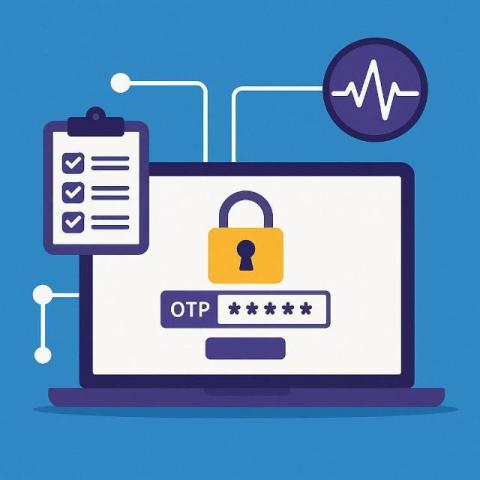
How to Monitor OTP-Protected Web Applications

If you’ve ever used an online banking application to complete a transaction or gone through a checkout on an e-commerce platform, chances are you’ve utilized or interacted with an OTP-protected application. One-Time Password (OTPs) are at the center of most multi-factor authentication (MFA) systems. OTPs are temporary codes delivered by SMS, email, authenticator apps, push notifications, etc.

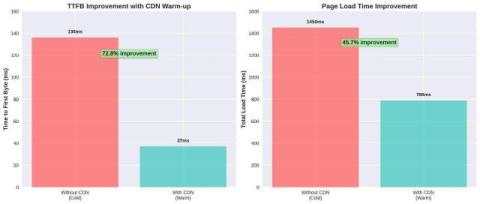
How Synthetic Monitoring Can Warm Up Your CDN (and Why It Matters)

In the high-stakes world of web performance, every millisecond counts. A single second of delay can result in a 7% reduction in conversions, while 10% of users will abandon a site for every additional second it takes to load . For organizations operating at global scale, Content Delivery Networks (CDNs) have become indispensable infrastructure for delivering fast, reliable user experiences.

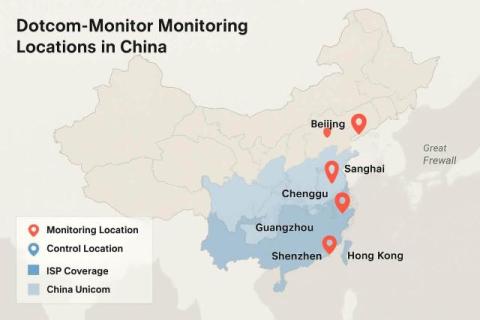
Monitoring Behind the Great Firewall

As Site Reliability Engineers (SREs) managing global infrastructure, we face unique challenges when serving users in mainland China. The Great Firewall of China creates a complex web of technical obstacles that can render even the most robust international websites slow, unreliable, or completely inaccessible to Chinese users.

How to Monitor Login Pages for Performance and Security

Login pages are the front door to your website or application, and just like any front door, they need to be secure and easy to open. If your login page is slow or vulnerable to attacks, it can frustrate users and expose sensitive information. Whether you’re managing a small e-commerce site or a large enterprise application, monitoring your login pages for performance and security is crucial.

Monitoring Distributed Systems

Monitoring distributed systems is essential to keep your system running smoothly, efficiently, and reliably. With the growing reliance on distributed systems in everything from web services to cloud computing and large-scale applications, having a robust monitoring setup is crucial. Let’s dive into what distributed systems are, their different types, key characteristics, and how monitoring plays a critical role in maintaining their performance.

Dotcom-Monitor's Role in Ensuring SLA Compliance

When businesses promise their customers top-tier service, they often formalize these commitments in Service Level Agreements (SLAs). An SLA outlines performance standards such as uptime, response times, and issue resolution windows. However, meeting these standards is easier said than done. That’s where Dotcom-Monitor comes in by providing comprehensive monitoring solutions to help businesses ensure SLA compliance.

Challenges in Monitoring Applications That Use OAuth

OAuth (Open Authorization) has become a critical component in enabling secure and third-party access to APIs which makes it one of the most widely adopted authentication protocols for modern applications. From allowing users to sign into apps using their Google or Facebook accounts to enabling third-party service integrations, OAuth simplifies the process of granting access to resources without compromising security.