Operations | Monitoring | ITSM | DevOps | Cloud

Just call us "Major Incident Software Innovation of the Year"

We won an award! We're excited to share that we were named the Major Incident Software Innovation of the Year 2020 at the MIM Awards. Our CEO, Robert Ross (better known as Bobby), accepted over video on our behalf (watch the video below). A lot happened for us in 2020 -- not only from winning new business, but growing as a team, and maturing our product. We're excited that MIM felt the same way about us and we're honoured to recieve this award!

Testing Shell Commands with the Crystal CLI

FireHydrant uses a CLI for some developer actions, called fhd (FireHydrant developers). Previously, we might have distributed workflows among new developers by having them copy/paste or clone scripts down to their machines--but Crystal lets us encapsulate shared tooling in a compiled binary. This way, we have a CLI that developers can install quickly, and that works seamlessly with our other tools.

Why Your APIs Should Fly First Class

Picture yourself flying first class. You board the plane first, you get champagne, and you feel as though you’re the most important. Why not treat your APIs the same way? In this talk, FireHydrant CEO and Co-Founder, Robert Ross (a.k.a @bobbytables) shares why putting your APIs first can be a game-changer for your business and how this mindset shaped the way FireHydrant was built.

Alert Fatigue and Your Health

As an on-call engineer, you might deal with the day-in, day-out occurrence of alerts. These alerts may come from your alerting provider (PagerDuty, OpsGenie, etc.), Slack notifications telling you the site is down, or the ever concerning text message "Hey, is the site down?". These alerts elicit reactions that range from "shit" to "again?" and in many cases, both.

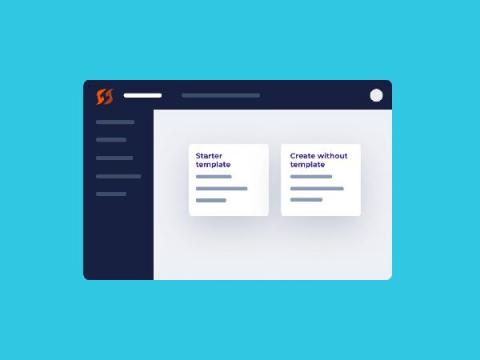
Product Updates: Creating a New Runbook Just Got Easier with Templates

Starting out with runbooks can be daunting, we've built a way to implement our best practices into a runbook that can be implemented in a single click. On top of this, there's now even more ways to attach runbooks to your incidents and a much easier way to test out the runbook that you're currently working on.

Announcing Updated Analytics Filters to Dive Even Deeper into your Historic Incident Data

After successfully implementing a conditional evaluation engine into Runbooks, we started looking at other places in FireHydrant that would be improved with this engine. After hearing a lot of feedback from you, we’ve implemented conditions into our Analytics page. Let’s dive in and see what new things are possible with this new filtering.

New Feature: Incident types

Incidents are inevitable, and the reality is some of them are inevitably going to repeat themselves. FireHydrant has always strived to make the entire incident response lifecycle smooth, but up until today, common incident types were slightly burdensome for our customers. We decided it was time to help people make it easy to declare incidents using easy-to-use templates, which we’re deeming Incident types.