The COVID-19 pandemic has not only had a profound impact on everyone across the globe; it has also fundamentally changed the way organizations function. We are nearing one and a half years since remote work became the norm and organizations had to adapt to this new mode of working almost overnight. This rapid transition wouldn’t have been possible without the massive technology, workflow, and process upgrades undertaken by IT departments.
Bilt Graphic Paper Private Limited (BGPPL), a subsidiary of Bilt Paper B.V., is a paper manufacturing company based in India, with manufacturing plants in Bhigwan, Ballarpur, and Ashti in the state of Maharashtra. BGPPL established the most modern technology in the writing and printing segment in India intending to meet every demand of the rapidly progressing printing industry.
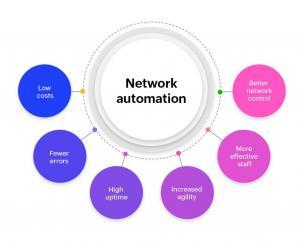
Technological advances and emerging networking concepts are constantly shaping our IT infrastructure. Networks are no longer limited to traditional networking constraints such as its static nature, but are continually evolving to improve efficiency by spanning across wired, wireless, virtual, and hybrid IT environments. This IT evolution drives organizations to advance digitally and support computational requirements to meet their business objectives.
Picture this: It’s a normal day of working from home as usual since the COVID-19 outbreak. After that satisfying cup of coffee, you log in. But something is wrong. No matter how many times you click, your files don’t open. Your screen is frozen and refuses to budge. And then, you see one of the worst nightmares any IT admin can imagine: “Oops, your files have been encrypted. But don’t worry, we haven’t deleted them yet.
Five worthy reads is a regular column on five noteworthy items we’ve discovered while researching trending and timeless topics. This week, we explore why organizations should implement Zero Trust in 2021. In 2010, John Kindervag introduced the concept of “Zero Trust” which has become a touchstone for cyber resilience and persistent security. Zero Trust is not a security product, architecture, or technology.
At the start of the pandemic, IT organizations had to undergo radical changes to support remote work. Given the urgency to shift to remote operations, IT admins opted for band-aid solutions to retain business continuity and stay connected to the core of their networks from remote locations. But now, many organizations are moving toward hybrid workforce options with employees choosing to work from both their home and office locations.