The cybersecurity threat landscape is quickly changing. Administrators have become more cautious when it comes to security and governing access, end users have become tech-savvy and security-aware, and attackers have also raised their game. Living-off-the-land attacks, or LOTL, is one clear trend today, with attackers exploiting preinstalled features and default tools built into system.
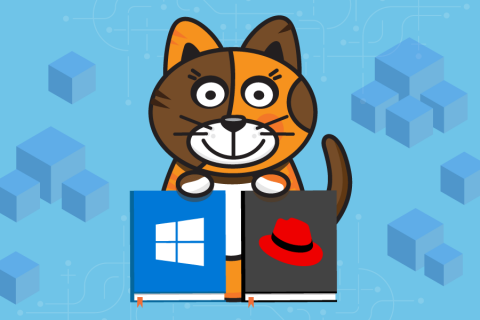
Approximately one year ago, Kubernetes 1.14 made support of Windows containers running on Microsoft Windows Server nodes generally available. This was a declaration that Windows node support was stable, well-tested, and ready for adoption, meaning the vast ecosystem of Windows-based applications could be deployed on the platform.
In our last release of the PowerShell security series, we talked about how PowerShell could be leveraged by malicious actors to gain unprecedented access to your organization’s critical assets. From enumerating sensitive domain information and carrying out credential-based attacks to running malicious executables in memory (file-less malware), we shined a light on the potential of PowerShell and why it’s an ideal weapon for cyber attackers today.
It is finally ready for launch – the first final release v1.0 of Icinga for Windows. The past months were quite challenging: Analyzing, troubleshooting and fixing issues reported by our awesome community and customers: Your support made it possible that we can celebrate the release of our new foundation for Windows monitoring. Scalable. Simplified. Extendable.
There’s no one-size-fits-all migration path for moving legacy applications to the cloud. These applications typically reside on either physical servers, virtual machines or on premises. While the goal is generally to rearchitect or redesign an application to leverage cloud-native services, it’s not always the answer.