Debugging in production is always a necessary evil. No matter how well your code is written and reviewed, bugs are bound to appear, and their consequences are there for your users to see. While debugging any app has challenges, debugging legacy systems is a different ballgame. From unfamiliarity with the codebase to a lack of knowledge about the tech, your developers can find themselves aimlessly searching for solutions where solutions don’t exist.
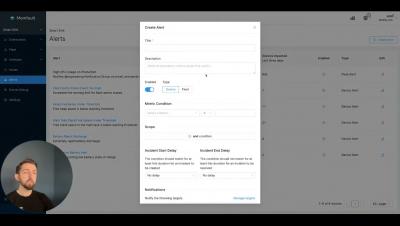
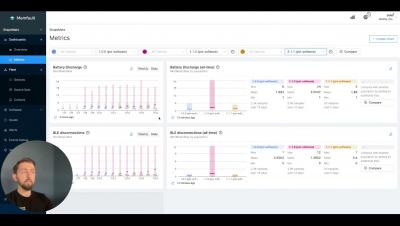
I’m Markus, software engineer @ Tridonic, where we are working on Internet-connected wireless lighting solutions based on the Matter standard. To be able to monitor the reliability of those devices we’ve been using Memfault and tied it into Matter/Thread and its UDP/IPv6 stack based on the Nordic Connect SDK. In the following, I’ll show you the modifications we’ve done to enable Memfault in an IPv6 solution. Like Interrupt?
The Raspberry Pi, a compact single-board computer, is widely used for DIY projects to industrial applications. These devices ship with a customized Linux distribution that differs from standard Linux, adding a layer of complexity for developers trying to troubleshoot application problems and dependencies.