Over the last few years, many customers have asked us to update our current public dashboards with new features so they can more effectively communicate what is happening with their checks to external customers or internal users. We’ve taken that input to heart, and we’re pleased to announce the availability of redesigned dashboards for Checkly.
You build it; you own it! It’s a simple mantra that has driven software development for years. The days of writing software and throwing it over the wall to operations teams are over. Instead, software development teams take ownership of what they do and own their own software operations. There is just one problem: Monitoring tools have not yet adopted the developer workflow. As a developer, the repository is the center of the workflow. It's the one single source of truth.
The holiday shopping season is one of the most stressful periods for operators of retail and ecommerce businesses, as the seasonal surge of holiday shoppers can put massive amounts of stress and strain on even the most well-architected websites. Here’s a recent example from 2021: The Office Depot website suffered an outage during Cyber Monday that knocked the online shop offline for hours, impacting the ability of customers to place orders online.
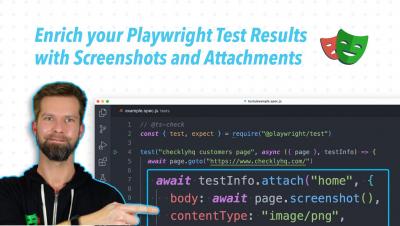
I joined Checkly a few months ago, and because our platform enables you to use Microsoft’s Playwright to run your synthetic monitoring, I started getting my hands dirty with the end-to-end testing framework. I’m a massive fan of learning in public, so I started publishing weekly Playwright tips on YouTube. Did you miss a few videos? Don’t sweat it! Here’s the first collection of Playwright tricks I discovered over the last few months.
You can now use Checkly to monitor API endpoints secured with TLS Client Certificates. This post dives into why and how you would use client certificates and mTLS (Mutual TLS) in your API infrastructure. Let's go!