Operations | Monitoring | ITSM | DevOps | Cloud

Using K8S But Not Overhauling Your Devops Processes

Kubernetes is now the industry standard for cloud-based organizations. Slowly, many enterprises and mid-level companies are adopting it as the default platform for managing their applications. But we all know Kubernetes adoption has its challenges, as well as its associated costs. How do we decide when and what to migrate to Kubernetes? Does migrating to Kubernetes mean overhauling all DevOps processes? Adopting K8S should not lead to an overhaul of your DevOps process - it should complement it.

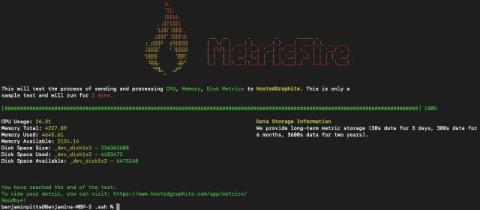
Making the Switch to Hosted Monitoring

Implementing a monitoring solution is no small task; with your company's data growing, it can feel impossible. Often, small teams develop their own monitoring infrastructure because it is more cost-effective than a platform. But when your business grows, your data does, too. Monitoring can quickly become a bigger challenge than a small team can handle, and some companies need more resources to hire a developer dedicated to their monitoring.

Guide to Monitoring Kubernetes Using a Telegraf Daemonset

Kubernetes is used in production-level applications and software services to automate the deployment, scaling, and management of containerized applications - ensuring high availability and consistent performance across distributed systems. It enhances reliability through features like load balancing, self-healing, and rolling updates, enabling efficient resource utilization and orchestration in cloud-native and hybrid environments.

Monitor Your ZFS Volume Manager With Telegraf

ZFS (Zettabyte File System) is a file system and volume manager that has robust data integrity features and uses checksums for every block of data, ensuring that any data corruption is detected and corrected. Additionally, it offers advanced features such as pooled storage, efficient snapshots and cloning, built-in data compression, deduplication, and high scalability, making it ideal for large-scale and high-performance storage environments.

Top Metrics for CRM companies

CRMs are a valuable tool for businesses to organize their sales and customers. The benefits of having one include increased revenue, better visibility into accounts, automated tasks, and more. But, if your CRM needs to be fixed, it can create challenges for your business. CRM monitoring helps you fix problems before they become apparent. In this article, we’ll show you how to start with MetricFire.

How to use the Grafana Geomap and Worldmap Panels

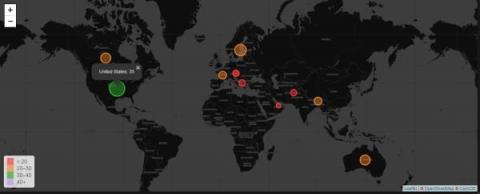
Grafana Geomap panels visualize geographical data on a map, making it easier to see spatial relationships and patterns. They are useful for monitoring metrics across different locations, such as server performance or application usage in various regions. The panels help identify regional issues quickly, allowing for faster troubleshooting and response times.

Supply Chain Monitoring with MetricFire

Business monitoring is a necessary process, no matter what. It is crucial in supply chain management, too. Monitoring your supply chain can ensure fresh products, speedy deliveries, and sustainable production. This article will explore supply chain monitoring, critical metrics for various supply chain use cases, and how to monitor your supply chain with MetricFire.

Monitor Your Active SystemD Services Using Telegraf

Monitoring the state of your services and running processes is crucial for ensuring system reliability and early detection of issues, allowing for timely interventions to prevent downtime. It also helps maintain optimal performance by identifying and resolving inefficiencies or errors in the system's operations. In this article, we'll detail how to use the Telegraf agent to collect systemd service statistics, and forward them to a data source.