The latest News and Information on APIs, Mobile, AI, Machine Learning, IoT, Open Source and more!
AI is booming. The AI market is projected to grow 37.3% annually from 2023 to 2030. With so many organizations adopting or considering AI applications, data centers need to be ready to support the new demand. However, without the right tools and data, it is difficult to understand if your existing facilities have the capacity to support systems like the “gold standard for AI infrastructure,” the NVIDIA DGX H100.
In a previous post, we talked about synonyms and their importance for providing a great search experience. Using synonyms improves search results by: Search results need to evolve over time. New items go on sale, new trends change what users search for, and new terms become part of a search domain. Our search experience must evolve as well. As part of evolving our search experience, it's important to keep our synonyms updated.
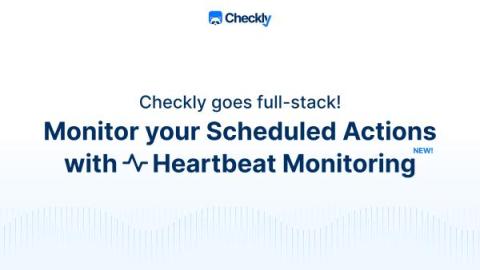
Today’s a big day at Checkly; we’re thrilled to announce that next to Browser and API checks we released a brand new check type to monitor your apps — say “Hello” to Heartbeat checks! In the realm of software, ensuring uninterrupted functionality is critical. While synthetic monitoring helps you discover user-facing problems early, keeping a close eye on the signals coming from your backend can be just as vital.
Using an RTOS is often a tradeoff between the ease of decomposing tasks, with the complexity of the scheduler itself. There exists a middle ground between highly complex systems that may require an RTOS, and simpler ones that can be easily modeled using a super loop.Since ARM is the most popular embedded CPU and almost every ARM processor has a hardware scheduler, it would be interesting to make a compact framework utilizing these features.
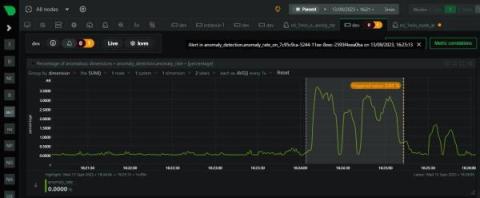
Over the last few years we have slowly and methodically been building out the ML based capabilities of the Netdata agent, dogfooding and iterating as we go. To date, these features have mostly been somewhat reactive and tools to aid once you are already troubleshooting. Now we feel we are ready to take a first gentle step into some more proactive use cases, starting with a simple node level anomaly rate alert. note You can read a bit more about our ML journey in our ML related blog posts.