Operations | Monitoring | ITSM | DevOps | Cloud

The SaaS SEO Playbook That Prioritizes Conversions Over Clicks

For years, SaaS companies treated SEO like a traffic competition. The goal was simple: publish more content, rank for more keywords, and drive as many visitors as possible to the website. Marketing dashboards looked impressive. Teams celebrated traffic milestones. Investors saw upward graphs and assumed momentum was building. But somewhere along the way, a lot of SaaS founders started noticing a problem nobody wanted to talk about openly.

5 Best ADO.NET Providers: Use Cases & Choosing Tips

Behind every modern.NET application is an ADO.NET provider handling database connections, queries, and ORM operations behind the scenes. As applications become more cloud-native and data-intensive, that provider layer has become far more important than many teams realize. Performance, scalability, deployment reliability, and even developer workflow can all depend on the quality of the provider underneath the application.

10 ITIL Change Management Best Practices for 2026

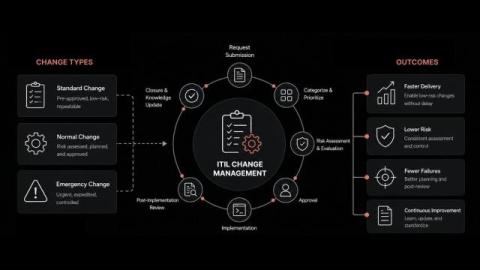
Most IT teams do not struggle with change management itself. The problem is how it is run in practice. In many organizations, CABs meet regularly, approvals are recorded, and workflows already exist. Even with this in place, production incidents still come from changes that were not properly checked or assessed. The issue is not the process. It is execution. Many teams rely too much on approvals, do not assess risk in a consistent way, and slow down delivery with heavy governance.

What is a Change Agent? Roles, Types, and Why They Matter

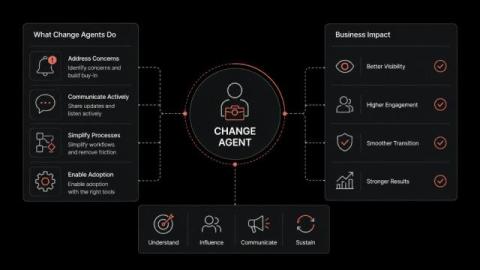
Why do so many IT change initiatives fail even after the rollout is complete? A new ticketing system goes live on a Monday. Training is finished, documentation is shared, and the process looks ready on paper. Yet by Wednesday, teams are still sending requests through old email chains and avoiding the new workflow. The issue is rarely the technology itself.

Kubernetes Optimization Beyond Requests and Limits - Node Scaling Blockers

Many of us understand the concept of Kubernetes Requests and Limits, and that by reducing over-sized resource requests we can reduce waste in our clusters. And for GKE Autopilot and EKS Fargate clusters that is true. Because you’re being billed directly for the resources you’re requesting, driving down requests can result in instantaneous savings. However in most hosted Kubernetes environments you’re not actually being billed for requests.

DNS Monitoring for MSPs: A Complete Setup Guide

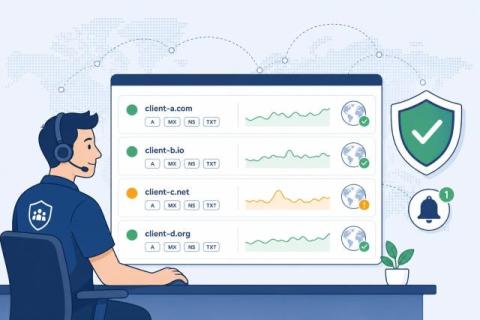
If you run an MSP, this is the call that ages you. The fix is almost always small. A record was edited at the registrar. A vendor changed an MX target. A new tool added a TXT record and pushed SPF over the lookup limit. None of that should reach a client. With the right monitoring, none of it does. Here is a real one. A 40-person law firm renews their EV certificate. The vendor needs a CAA record cleaned up.

What Are The Chances Your Business Is Doing Everything Right?

What are the chances that your business is doing literally everything right? We'll answer for you - the chances are very low. Most companies don't do everything right because it's near impossible to make this happen. There are so many moving parts of a business that are all working at any given time, and it can feel as though there is no way for things to all be working right at the same time.

How a PSA Ticketing System Works (and How to Run One That Scales)

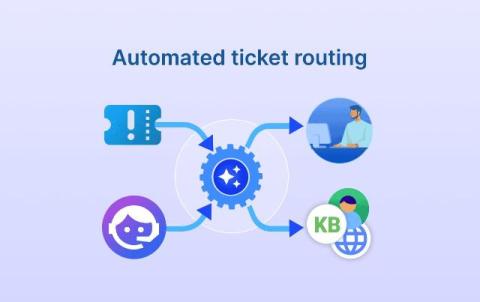
The ticket queue is where a managed service provider's profit either leaks or holds. Every minute a tech spends hunting for context, re-keying time, or chasing a status update is margin you don't get back. The PSA ticketing system is the tool your team touches more than any other, so it's worth understanding how it works before you blame the team for a slow queue.

AI Agent Orchestration in IT Operations: The Complete Developer's Guide

If you've spent any time in IT operations, you know the drill - alerts firing at 2 a.m., cascading failures, runbooks nobody follows correctly, and a team stretched too thin. That's the environment where AI agent development starts making real sense. Not as a buzzword, but as an actual engineering answer to an operational problem that's been compounding for years. From our team's point of view, orchestrating multiple AI agents in IT isn't just automation. It's about building systems that coordinate and act the way a competent ops team would - minus the fatigue.